
Table of Contents
- Why AI SEO Tools Are Different Now
- Content Generation That Doesn’t Sound Like Content Generation
- Technical SEO Gets a Brain Upgrade
- Link Building in the Age of Automation
- Keyword Research That Predicts the Future
- Analytics That Actually Tell You What to Do
- The Integration Challenge Nobody Talks About
- What Actually Works Right Now
- The Human Element Still Wins
The promise of AI in SEO has been oversold and under-delivered for years. But something shifted in the past 18 months. The tools got smarter. The outputs got cleaner. And the marketers who learned to use them properly started seeing results that manual work couldn’t match.
This isn’t about replacing human expertise — it’s about multiplying it.
Why AI SEO Tools Are Different Now
Early AI tools were glorified keyword stuffers. They’d generate content that technically ranked but read like a robot wrote it for other robots. Google caught on fast, and anyone using those tools paid the price in rankings.
What changed? Modern AI understands context, not just keywords. It can analyze search intent, map content relationships, and predict what Google wants to see — all while maintaining the quality standards that actually keep readers engaged.
The difference shows up in three ways:
- Context awareness — AI now understands that best running shoes means something different for marathon training versus casual jogging
- Pattern recognition — Tools identify what’s working in your niche by analyzing thousands of top-ranking pages in seconds
- Automation without sacrifice — The tedious stuff gets handled while you focus on strategy and creative direction
You’re not getting shortcuts. You’re getting leverage.
Content Generation That Doesn’t Sound Like Content Generation
The Reality Check on AI Writing
Let’s address the elephant in the room: most AI-generated content still needs human polish. But the workflow efficiency gain is massive when you use it correctly.
The smart approach: Use AI to draft outlines, identify content gaps, and generate first drafts for data-heavy sections. Then edit with your expertise and brand voice. This workflow cuts research and drafting time by 60-70% without sacrificing quality.
Tools That Actually Deliver
ChatGPT gets the headlines, but specialized SEO content tools are where the real value lives. Jasper, Surfer AI, and Frase don’t just generate text — they optimize it against top-ranking competitors in real time.
Here’s what separates the good from the garbage: integration with actual SEO data. Generic AI doesn’t know that your target keyword needs 1,800 words to rank, or that competitors are covering five specific subtopics you’re missing. SEO-specific AI does.
When to Trust AI and When to Step In
AI excels at:
- Generating product descriptions at scale
- Creating meta descriptions that hit character limits perfectly
- Drafting FAQ sections based on People Also Ask data
- Building content briefs from SERP analysis
AI fails at:
- Original insights from your industry experience
- Brand voice that doesn’t sound corporate and bland
- Hot takes and opinions that differentiate your content
- Stories and case studies that build credibility
The marketers winning with AI know exactly where that line is.
Technical SEO Gets a Brain Upgrade
Site Audit Tools That Think
Traditional crawlers flag issues. AI-powered crawlers prioritize and predict impact. Screaming Frog added AI features that don’t just list broken links — they estimate which ones actually hurt your rankings based on PageRank flow.
That matters because fixing 500 technical issues is impossible. Fixing the 12 that move the needle is a Tuesday afternoon.
Automated Schema Markup
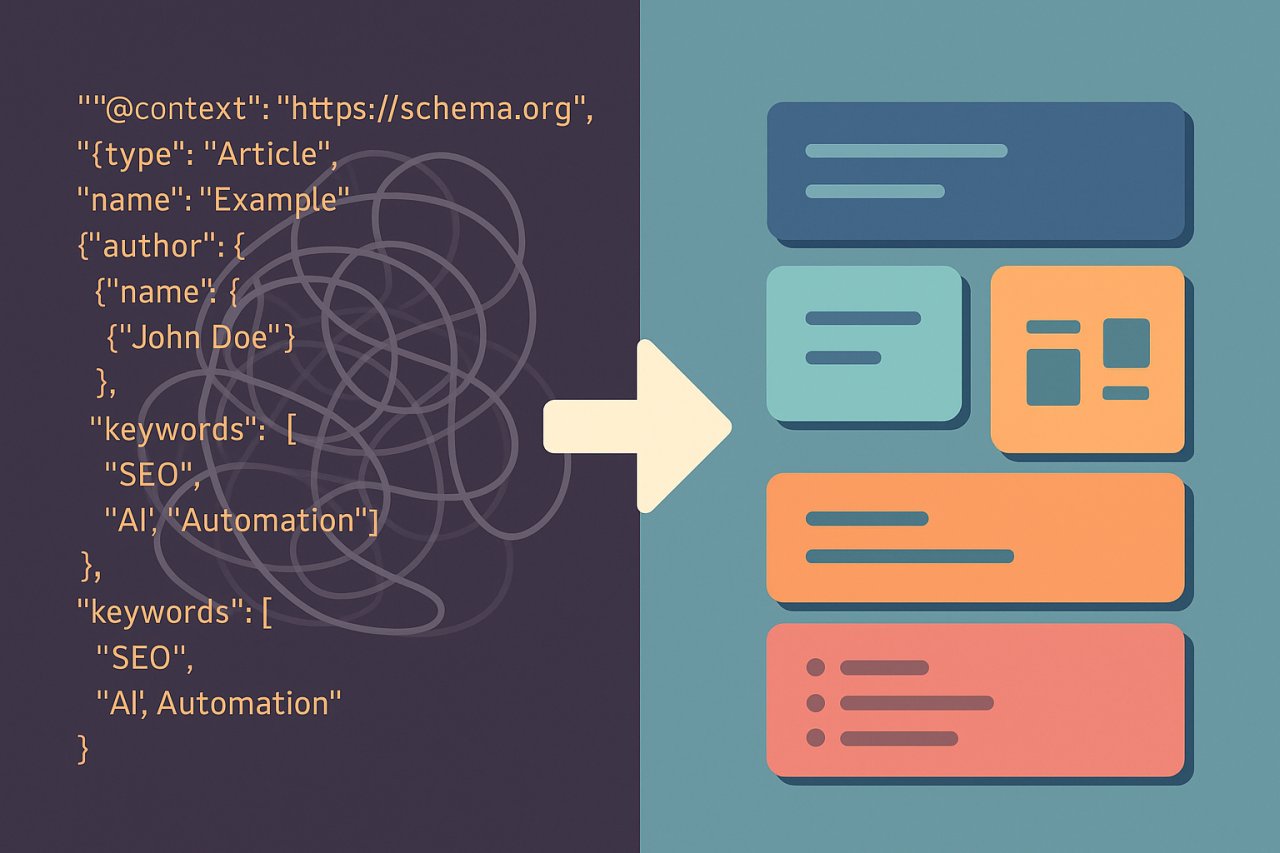
Schema used to require either developer time or error-prone manual work. AI tools now analyze your page content and suggest — sometimes auto-generate — the exact structured data Google wants to see.
RankMath and Yoast added AI-powered schema generators that understand context. Write a recipe post, and the tool structures your ingredients and cook time without you touching JSON-LD code.
Link Building in the Age of Automation
External Link Prospecting Gets Smarter
AI doesn’t replace relationship-building, but it makes finding the right prospects infinitely faster. Tools like Pitchbox and BuzzStream now use machine learning to:
- Identify websites likely to link based on historical patterns
- Score prospects by domain authority and topical relevance
- Personalize outreach emails that don’t read like templates
The conversion rate on AI-personalized outreach is 3-4x higher than batch-and-blast campaigns. That’s not hype — that’s data from agencies running thousands of campaigns.
Internal Linking Finally Makes Sense
Here’s where AI shows its biggest impact: internal link structure. Most sites have hundreds of orphaned pages and broken topical clusters because manual internal linking is tedious work that everyone procrastizes.
AI changes the game completely.
Modern tools analyze your entire content library, understand topical relationships, and suggest — or auto-create — internal links that strengthen your site architecture. It’s not just about adding more links. It’s about creating the right pathways that guide both users and search engines through your content hierarchy.
For WordPress users, plugins like AI Internal Links automate this process entirely. The plugin scans your posts, identifies semantic relationships, and inserts contextually relevant links that actually make sense. No more spreadsheets mapping which articles should link where. No more forgetting to link new content back to pillar pages.
The impact shows up in crawl efficiency. Google discovers and indexes new content faster when your internal linking creates clear pathways. Pages that were buried seven clicks deep suddenly get crawled weekly instead of monthly.
Link Context Optimization
AI doesn’t just suggest where to link — it optimizes how you link. Anchor text analysis tools identify patterns in top-ranking competitors and recommend the exact anchor text diversity ratio Google expects for natural link profiles.
Too many exact-match anchors? AI flags it. Not enough branded links? You’ll know.
Keyword Research That Predicts the Future
Beyond Search Volume
Traditional keyword research shows what people searched last month. AI-powered research predicts what they’ll search next month.
Semrush and Ahrefs both added trend prediction features that use machine learning to spot rising keywords before they spike. Find a trend six months early, and you own that traffic before competition notices.
The data looks backward and forward simultaneously.
Semantic Clustering at Scale
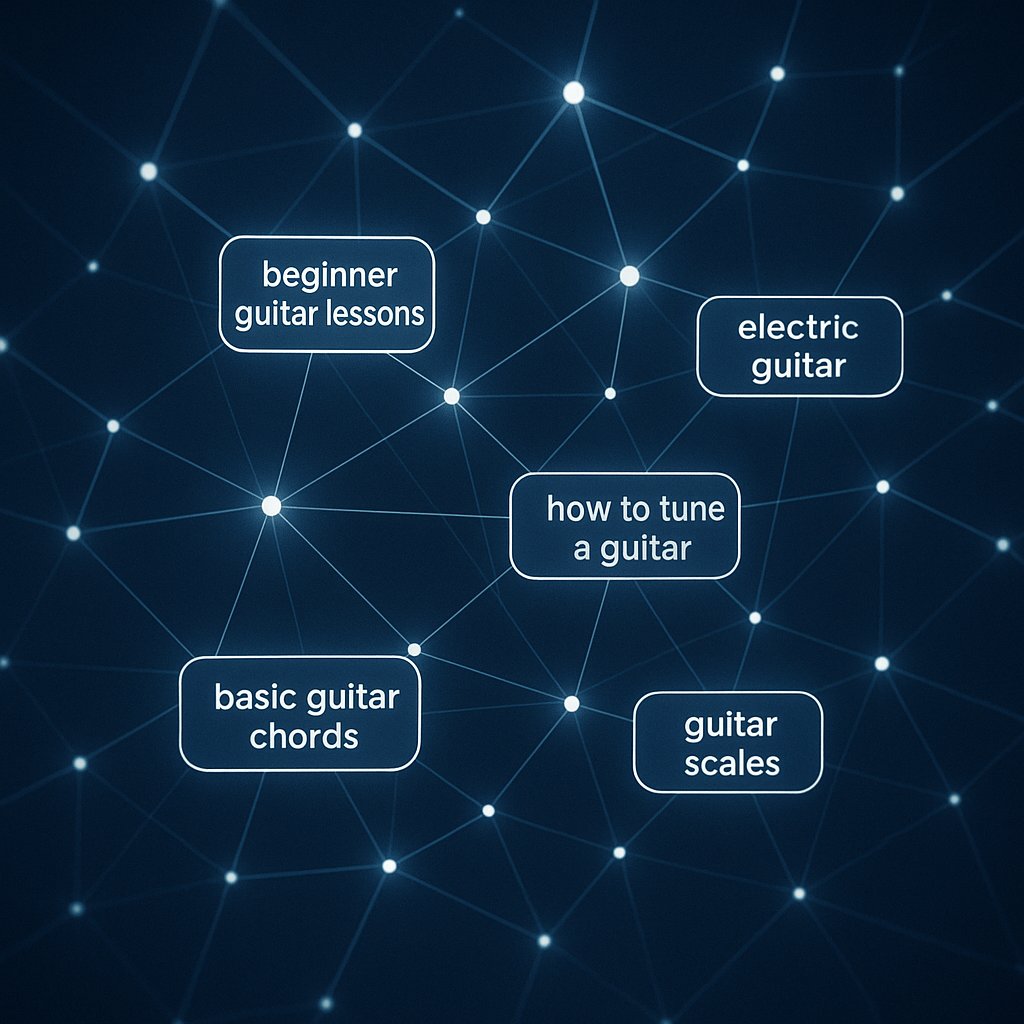
Manually grouping keywords into topic clusters takes hours. AI does it in seconds — and usually finds relationships you missed.
These tools understand that beginner guitar lessons, how to tune a guitar, and basic guitar chords belong in the same cluster, even if the keywords share zero words in common. That’s the semantic understanding that separates modern AI from simple keyword matching.
Analytics That Actually Tell You What to Do
From Data to Decisions
Google Analytics gives you numbers. AI analytics tools give you action items.
MarketMuse and Clearscope don’t just show traffic drops — they analyze ranking losses, identify content gaps causing the decline, and generate prioritized action plans for recovery. It’s the difference between knowing you have a problem and knowing exactly how to fix it.
Predictive Performance Modeling
The newest frontier: AI that predicts how content will perform before you publish it. Tools analyze your draft against ranking competitors and forecast traffic potential with scary accuracy.
Publish a piece predicted to drive 500 visits monthly. Watch it hit 480 after three months. That confidence changes how you allocate content budget.
The Integration Challenge Nobody Talks About
Here’s the trap: buying seven AI tools that don’t talk to each other. Your keyword tool lives in one platform. Your content optimizer in another. Your technical audit in a third. And nothing syncs.
The winners are building AI workflows, not just buying AI tools.
That means choosing tools with API access, Zapier integration, or native connections to your WordPress site. It means building systems where keyword research automatically feeds into content briefs, which feed into optimization scores, which trigger internal linking updates.
The automation compounds.
What Actually Works Right Now
After testing dozens of AI SEO tools across client sites, here’s what delivers measurable ROI:
- Automated internal linking — 15-25% traffic increase within 90 days on properly structured sites
- AI content optimization — Cuts content production time by 60% while maintaining quality
- Predictive keyword research — Captures trending topics 4-6 months before saturation
- Smart schema generation — Increases rich snippet appearances by 30-40%
- Personalized link prospecting — 3-4x higher outreach conversion rates
Those aren’t theoretical benefits. They’re what happens when you implement AI tools properly and give them time to work.
The Human Element Still Wins
AI makes you faster, smarter, and more efficient. It doesn’t make you obsolete.
The SEOs dominating in 2026 aren’t the ones who use the most AI — they’re the ones who know exactly when to use it and when to trust their own expertise. They automate the mechanical stuff and spend their creative energy where it actually matters: strategy, positioning, and the insights that only come from deep industry knowledge.
Google’s algorithm is getting better at detecting AI slop. But it’s also getting better at rewarding quality content that happens to be AI-assisted. The difference is entirely in how you use the tools.
Start with one AI tool. Master it completely. Then add the next. The compounding returns show up when tools work together, not when they sit unused in your subscription stack.