
The Modern Agency Challenge: Scaling SEO Without Sacrificing Quality
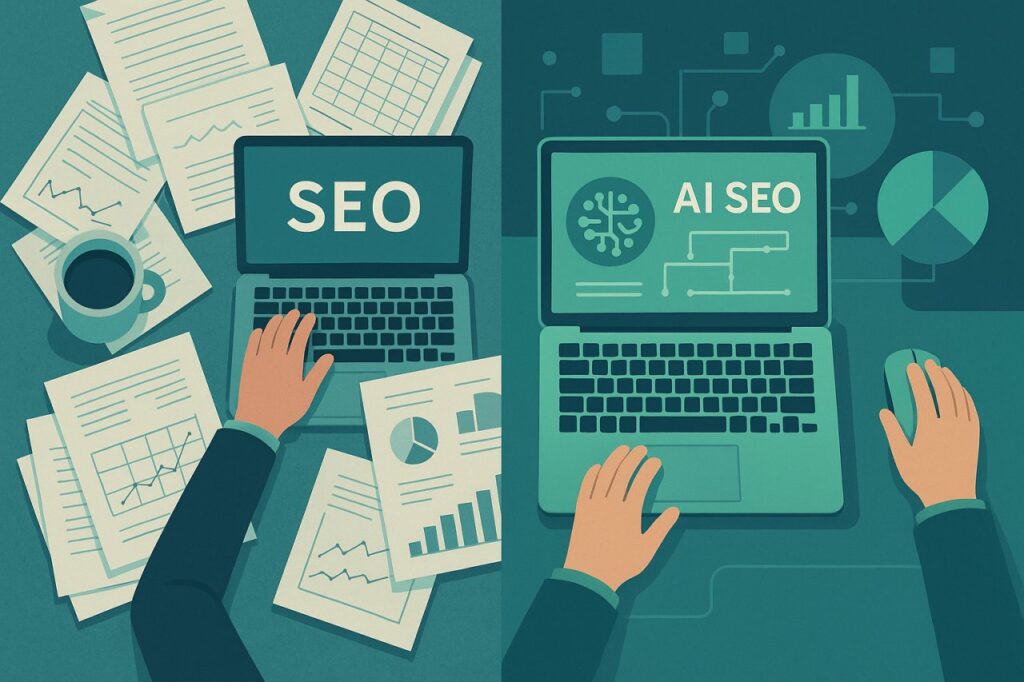
SEO agencies face an unprecedented challenge in 2026: clients demand faster results, deeper insights, and more comprehensive optimization while expecting competitive pricing. The traditional model of manual audits, spreadsheet-based tracking, and time-intensive optimizations no longer scales efficiently. Meanwhile, algorithm updates from Google continue to prioritize sophisticated signals like topical authority, user experience, and content freshness — all of which require consistent, meticulous attention across dozens or hundreds of client sites.
AI-powered workflows represent the evolution agencies need to remain competitive. These aren’t just productivity hacks or trendy tools; they’re fundamental shifts in how WordPress SEO services get delivered. By integrating intelligent automation into core processes like content optimization, technical audits, and internal linking strategies, agencies can manage larger client portfolios without expanding headcount proportionally. The result is higher profit margins, more consistent deliverables, and the capacity to offer premium services that manual competitors simply can’t match.
This transformation extends beyond simple task automation. AI workflows enable agencies to identify patterns across client sites, predict optimization opportunities before they become critical issues, and maintain quality standards even as team members change. For WordPress-focused agencies specifically, these systems integrate seamlessly with existing CMS architectures, providing native solutions that clients understand and trust.
The Shift Toward AI in Agency SEO Operations
Why Manual Processes Can’t Keep Pace With 2026 Demands
The mathematical reality is stark: a comprehensive WordPress site audit traditionally requires 8-12 hours for a medium-sized site with 500 pages. Multiply that across 20 active clients, and agencies quickly find themselves trapped in an endless cycle of reactive maintenance. Manual internal link audits alone consume hours per site monthly, yet remain essential for maintaining topical authority and link equity distribution.
Google’s 2025-2026 algorithm updates further complicated matters by introducing nuanced ranking factors tied to content freshness, topical depth, and user engagement patterns. These signals require continuous monitoring and optimization — tasks that manual workflows struggle to address systematically. Agencies that relied on quarterly audits found themselves perpetually behind, unable to respond quickly to ranking fluctuations or capitalize on emerging opportunities.
Client Expectations Have Evolved Beyond Traditional Deliverables
Modern clients expect real-time dashboards, proactive recommendations, and visible ROI from SEO investments. They want to understand why specific optimizations matter and see measurable impacts within weeks, not months. This transparency requirement fundamentally changes how agencies must structure their service delivery. Static monthly reports no longer suffice; clients demand continuous visibility into optimization activities and their business impacts.
AI workflows make this level of transparency achievable without overwhelming agency resources. Automated tracking systems monitor key performance indicators across all client sites simultaneously, flagging issues and opportunities as they emerge. This shift from reactive to proactive service delivery creates tangible competitive advantages in client retention and acquisition.
The Cost Structure Advantage of Intelligent Automation
Agencies operating without AI assistance face a harsh economic reality: labor costs scale linearly with client count. Adding five new clients traditionally meant hiring additional SEO specialists or burning out existing team members. AI-powered workflows break this constraint by handling repetitive, time-intensive tasks that don’t require human creativity or strategic thinking.
The financial implications extend beyond direct labor savings. Automated systems reduce human error rates in technical optimizations, minimize the time spent context-switching between client accounts, and free senior strategists to focus on high-value activities like content strategy and conversion optimization. Agencies report that AI workflow integration typically reduces per-client service delivery costs by 40-60% while simultaneously improving output quality.
Core AI-Powered Workflows for WordPress SEO Agencies
Automated Site Health Monitoring Across Client Portfolios
Traditional site monitoring relied on plugins that sent email alerts when issues occurred — a reactive approach that often meant problems had already impacted rankings before anyone noticed. AI-powered monitoring systems continuously analyze hundreds of health signals across all client WordPress installations, predicting potential issues before they manifest.
These systems track core web vitals trends, identify patterns in server response times, monitor broken link accumulations, and flag unusual crawl behavior from search engines. More sophisticated implementations correlate these technical signals with ranking movements, helping agencies understand which health issues actually impact client visibility versus which are merely cosmetic concerns.
The workflow advantage comes from centralized dashboards that present actionable priorities across entire client portfolios. Instead of logging into individual WordPress installations to check on health status, agency teams receive consolidated reports highlighting which sites need immediate attention and what specific actions will have the greatest impact.
Content Gap Analysis and Topical Authority Mapping
Building topical authority requires comprehensive content coverage across subject clusters — a concept that’s easy to understand but challenging to implement consistently. AI workflows analyze competitor content landscapes, identify gaps in client coverage, and suggest specific topics that would strengthen authority signals in target niches.
These systems go beyond simple keyword research by understanding semantic relationships between topics, recognizing emerging subtopics before they become competitive, and prioritizing content opportunities based on existing site authority and ranking potential. For agencies managing multiple clients in similar industries, AI tools can identify cross-client patterns and accelerate content strategy development.
The practical workflow involves feeding client site data and target keyword sets into analysis tools that return prioritized content briefs. These briefs specify optimal content length, suggest internal linking targets, identify relevant entities to mention, and provide competitive benchmarking — transforming content planning from a research-heavy process into a streamlined production workflow.
Technical Audit Automation and Prioritization
Comprehensive technical audits generate hundreds of findings across crawlability, indexation, schema markup, mobile usability, and performance metrics. The challenge isn’t discovering issues — it’s determining which fixes matter most for each specific client situation. AI-powered audit systems apply contextual intelligence to prioritize recommendations based on their likely ranking impact.
These workflows integrate with existing SEO tools like Screaming Frog or Sitebulb but add an intelligence layer that understands client business objectives, competitive positioning, and resource constraints. Instead of presenting clients with overwhelming lists of technical issues, agencies can deliver focused action plans targeting the optimizations that will move the needle.
The automation extends to tracking fix implementation and measuring their impacts. When an agency resolves a crawl depth issue or improves schema markup coverage, AI systems monitor whether these changes correlate with ranking improvements or traffic increases — building a knowledge base that refines future audit prioritization.
Competitor Movement Tracking and Response Workflows
Manual competitor monitoring typically involves periodic checks on target keyword rankings — a snapshot approach that misses the strategic moves competitors make between monitoring sessions. AI workflows continuously track competitor content publication, backlink acquisition, technical improvements, and ranking movements, alerting agencies to significant shifts that warrant response.
These systems identify when competitors publish comprehensive guides that threaten client positions, detect link building campaigns that are gaining traction, and recognize technical improvements that enhance competitor site quality. The workflow triggers proactive strategy adjustments rather than reactive scrambling after rankings have already declined.
For agencies managing clients in competitive verticals, this continuous intelligence gathering becomes a significant service differentiator. Clients appreciate seeing that their agency actively monitors the competitive landscape and adjusts strategies based on market movements rather than following static playbooks.
Scaling Internal Linking Operations Across Client Sites
The Internal Linking Challenge at Portfolio Scale
Internal linking remains one of the most impactful yet time-consuming SEO activities. Each new piece of content should receive contextual links from existing relevant pages, and older content needs ongoing link updates as new resources become available. For an agency managing 30 client sites each publishing 8-10 articles monthly, this creates an impossible manual workload.
The mathematics are daunting: 240-300 new articles across the portfolio each month, each requiring 5-8 contextual internal links from existing content. That’s up to 2,400 link placements monthly, each requiring content review to identify appropriate anchor text and surrounding context. Traditional approaches either neglect this optimization entirely or consume excessive specialist time that should focus on strategy.
Understanding Link Equity Distribution Across Client Architectures
Different client sites require different internal linking strategies based on their architecture, content volume, and business objectives. E-commerce sites need strong category-to-product linking structures, content publishers benefit from topic cluster models, and service businesses require clear pathways from informational content to conversion pages.
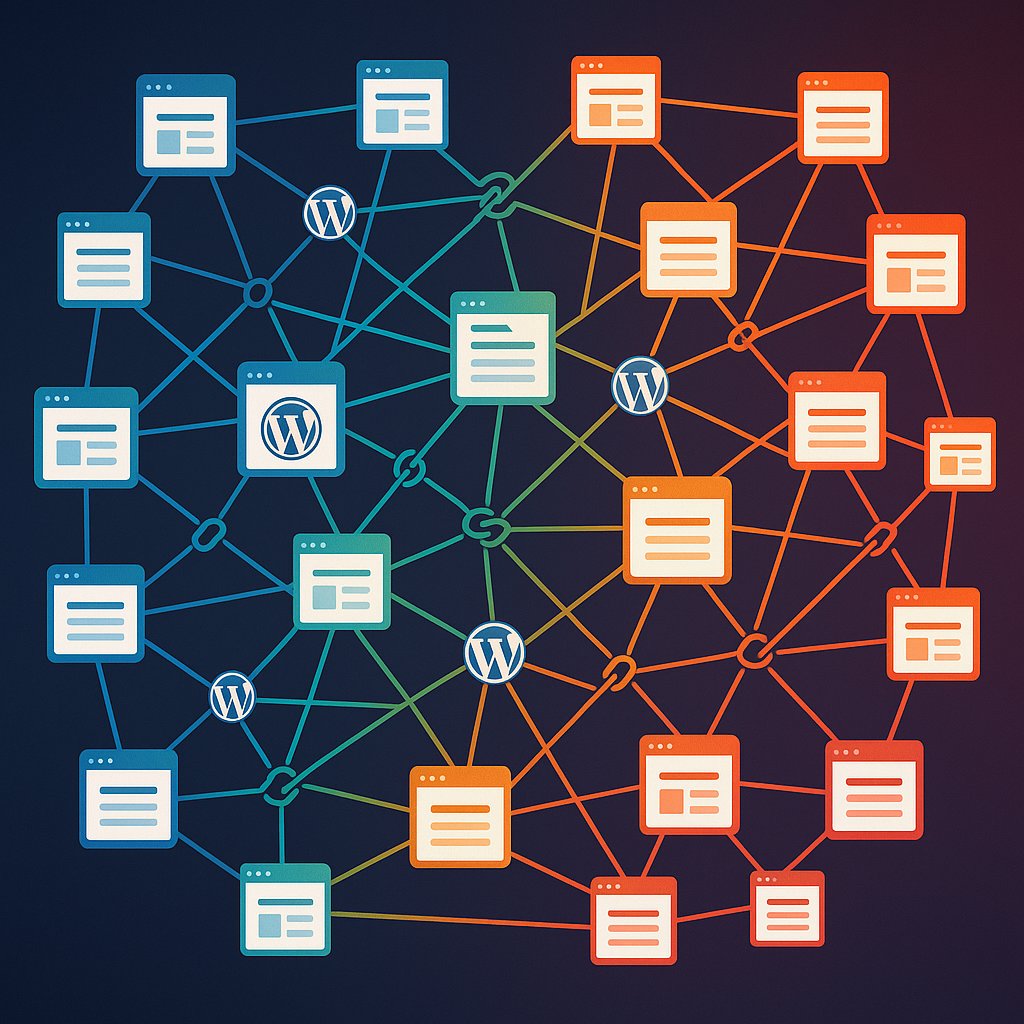
AI-powered workflows analyze existing site structures to understand linking patterns, identify orphaned pages receiving no internal links, and map optimal linking hierarchies that distribute authority effectively. These systems recognize when flat site architectures need restructuring versus when subtle linking adjustments will suffice.
The workflow advantage comes from applying these insights consistently across multiple client sites without requiring each account manager to become an internal linking expert. The AI handles structural analysis and recommendation generation, while human strategists review and approve implementations that align with business objectives.
Automating Contextual Link Placement Without Losing Quality
The breakthrough in AI-powered internal linking comes from systems that understand content context, not just keyword matching. Early automated linking tools simply found keyword matches and inserted links — an approach that produced awkward, unnatural linking that provided minimal SEO value and sometimes harmed user experience.
Modern AI workflows analyze semantic relationships between content pieces, identify genuinely relevant linking opportunities, and suggest anchor text that flows naturally within existing sentences. For agencies seeking to implement this at scale, tools like AI Internal Links can automate this process while maintaining the contextual quality that both users and search engines value.
The workflow typically involves setting parameters for each client site — maximum links per page, preferred link density, priority pages that should receive more link equity — then allowing the system to execute linking strategies across the entire site. Agency teams review suggested links before publication for newer implementations, but established workflows often move to automatic approval for routine linking opportunities.
Maintaining Link Freshness as Content Portfolios Grow
Internal linking isn’t a one-time optimization; it requires ongoing maintenance as content portfolios expand. That comprehensive guide published six months ago should gain new internal links as related articles get published, ensuring it maintains authority signals and continues ranking strongly. Manual tracking of these opportunities becomes impossible as client content libraries grow to hundreds or thousands of pages.
AI workflows solve this by continuously analyzing new content against existing site inventories, automatically identifying retrospective linking opportunities. When a client publishes an article on advanced WordPress security, the system recognizes that three older articles mention security topics and would benefit from contextual links to this new comprehensive resource.
This continuous optimization maintains link equity flow throughout growing sites without requiring manual content audits. Agency teams set the strategy and parameters, while AI handles the tactical execution that would otherwise demand dozens of hours monthly per client.
Content Optimization and Analysis with AI
Real-Time Optimization Suggestions During Content Creation
Traditional content optimization happened after drafts were complete — editors reviewed finished pieces against target keywords and made revision suggestions. This back-and-forth extended production timelines and sometimes required substantial rewrites. AI-powered workflows integrate optimization guidance directly into content creation processes.
These systems analyze drafts in real-time, suggesting heading optimizations, identifying opportunities to incorporate semantic keywords naturally, and recommending structural improvements that enhance topical coverage. For agencies producing content at scale across client portfolios, this workflow acceleration significantly reduces revision cycles while improving optimization consistency.
The practical implementation involves connecting AI analysis tools to content management workflows, whether through WordPress plugins, Google Docs integrations, or standalone editing platforms. Writers receive guidance as they draft, learning to optimize naturally rather than treating SEO as a post-production afterthought.
Entity and Topic Coverage Analysis for Authority Building
Google’s understanding of content quality extends beyond keywords to encompass entity recognition and topical comprehensiveness. Articles that mention relevant entities — people, places, organizations, concepts — within their subject area demonstrate depth that keyword-stuffed content lacks. AI workflows analyze content against entity databases, suggesting relevant mentions that strengthen topical authority signals.
These systems compare client content against top-ranking competitors, identifying entities that consistently appear in high-ranking pages but are absent from client content. The workflow generates entity suggestions with contextual examples, helping writers incorporate these references naturally rather than forcing awkward inclusions.
For agencies managing thought leadership content, entity optimization workflows ensure client articles demonstrate the depth and comprehensiveness that establishes authority in their industries. This strategic approach to content quality creates sustainable competitive advantages that pure keyword optimization can’t achieve.
Automated Content Refresh Identification and Prioritization
Content decay represents a persistent challenge for maintaining organic visibility. Articles that ranked strongly when published gradually lose positions as competitors publish fresher, more comprehensive alternatives. Identifying which content pieces need refreshing and prioritizing refresh efforts consumes significant analysis time in manual workflows.
AI-powered systems monitor ranking trends across client content portfolios, identifying pieces showing decline patterns that indicate freshness issues. These workflows prioritize refresh opportunities based on current traffic contribution, historical ranking strength, and ease of improvement — focusing agency resources on refreshes that will recover the most organic visibility.
The workflow automation extends to generating refresh briefs that specify what new information should be added, which sections need expansion, and how content structure should evolve to match current search intent. This transforms content refreshing from a time-intensive research process into an efficient production workflow.
Cross-Client Content Performance Pattern Recognition
Agencies managing multiple clients in similar industries accumulate valuable performance data that manual analysis can’t fully leverage. AI workflows identify patterns in what content types, structures, and optimization approaches perform best across client portfolios — insights that inform strategy for all accounts.
These systems recognize when long-form guides consistently outperform shorter articles in specific niches, identify optimal content lengths for different query types, and detect structural patterns in top-performing content. This meta-analysis helps agencies develop best practices grounded in actual performance data rather than industry assumptions.
The competitive advantage comes from applying these insights proactively to new client onboarding and content strategy development. Agencies can confidently recommend specific approaches knowing they’ve proven effective across similar client situations.
Building Efficient Client Reporting and Monitoring Systems
Automated Dashboard Creation with Business Context
Client reporting traditionally consumed 2-4 hours monthly per account — time spent extracting data from multiple sources, creating charts, and writing narrative explanations of changes. AI-powered workflows automate data aggregation and generate initial report drafts that account managers refine before client delivery.
These systems pull data from Google Analytics, Search Console, ranking tools, and other sources into unified dashboards that highlight meaningful changes. More sophisticated implementations correlate SEO metrics with client business data, showing how organic visibility improvements translate to revenue impacts or lead generation.
The workflow efficiency comes from eliminating manual data manipulation while maintaining report quality. Account managers spend their time interpreting findings and developing strategic recommendations rather than building spreadsheets and charts.
Proactive Alert Systems for Critical Changes
Waiting for monthly reports to discover significant ranking drops or traffic declines means agencies miss opportunities for rapid response. AI monitoring workflows provide real-time alerts when critical metrics cross defined thresholds, enabling immediate investigation and remediation.
These systems distinguish between normal fluctuations and significant changes requiring attention. They recognize when ranking declines affect high-value keywords versus less important terms, and understand when traffic drops result from seasonality versus genuine problems. This intelligence filtering prevents alert fatigue while ensuring teams respond quickly to actual issues.
The practical workflow involves configuring alert parameters for each client based on their specific priorities and risk tolerances. High-stakes accounts might trigger alerts for any top-10 ranking loss on priority keywords, while smaller clients might only alert for more substantial movements.
Visualizing Complex SEO Concepts for Non-Technical Clients
Many clients struggle to understand technical SEO concepts like crawl budget, link equity distribution, or topical authority — yet these factors drive optimization priorities. AI-powered reporting workflows translate complex technical concepts into visual representations that non-technical stakeholders easily grasp.
These systems generate visual site structure maps showing link equity flow, create topical authority heat maps highlighting content gaps, and produce simplified technical health scorecards that avoid overwhelming clients with jargon. The visualization approach builds client confidence in agency recommendations by making the strategic rationale clear.
The workflow advantage extends to client education over time. As clients see consistent visual reporting of key concepts, they develop better understanding of SEO principles and become more sophisticated partners in strategy development.
Demonstrating ROI Through Automated Attribution
SEO’s business impact often remains difficult to quantify precisely — a challenge that complicates client retention and justification of ongoing investments. AI workflows improve attribution by analyzing organic traffic patterns, conversion pathways, and revenue contributions at granular levels that manual analysis can’t achieve efficiently.
These systems track which specific content pieces drive qualified leads, how organic visitors progress through conversion funnels, and what revenue can be attributed to SEO-driven traffic. For e-commerce clients, workflows calculate organic channel ROI by connecting product page rankings to transaction data. For lead generation clients, systems track how organic visitors convert to sales opportunities.
The competitive advantage comes from demonstrating clear business value rather than just reporting rankings and traffic. Clients who see concrete ROI from SEO investments become long-term partners who expand service scope rather than questioning whether optimization efforts justify their costs.
Implementing AI Workflows: Practical Steps for Agencies
Starting with High-Impact, Low-Risk Automation
Agencies new to AI workflows should begin with automations that deliver clear value without risking client satisfaction. Internal linking automation, technical monitoring, and reporting workflows represent ideal starting points — they save substantial time while maintaining or improving output quality.
The implementation approach involves selecting one client site as a pilot, configuring workflows carefully, and validating outputs before scaling across the portfolio. This measured approach builds team confidence in AI-generated recommendations and identifies necessary adjustments before they affect multiple clients.
Successful pilots typically run for 2-3 months, allowing teams to compare AI-assisted workflows against traditional approaches. Agencies consistently find that well-configured AI systems match or exceed manual output quality while reducing time investment by 50-70% for targeted activities.
Training Teams to Work Alongside AI Systems
AI workflows augment human expertise rather than replacing it — a distinction that requires cultural adjustment in agency environments. Team members must learn when to trust AI recommendations, when to apply human judgment overriding automated suggestions, and how to leverage AI insights to enhance their strategic thinking.
The training approach emphasizes understanding AI workflow logic rather than treating systems as black boxes. When team members understand why an AI system suggests specific internal links or prioritizes particular content refreshes, they become better at reviewing recommendations critically and identifying edge cases requiring human intervention.
Successful implementations typically involve gradual responsibility shifting. Teams initially review all AI-generated recommendations before implementation, then move to spot-checking as confidence builds, and finally to exception-based review where humans only intervene when automated systems flag unusual situations.
Measuring Workflow Efficiency Gains Across the Agency
Quantifying AI workflow benefits requires tracking both time savings and quality improvements. Agencies should establish baseline measurements for key activities — hours spent on technical audits, time required for internal linking updates, reporting preparation time — before implementing automation, then measure post-implementation changes.
The analysis extends beyond simple time tracking to consider output quality improvements. Are AI-optimized internal linking structures producing better engagement metrics? Do automated content optimization workflows improve ranking performance compared to manual approaches? These quality metrics demonstrate whether efficiency gains sacrifice effectiveness.
Successful agencies typically find that AI workflows reduce time spent on tactical execution by 40-60% while improving consistency and often quality. This efficiency gain translates directly to profitability improvements or capacity to serve more clients without proportional headcount increases.
The Future of Agency SEO Operations
AI-powered workflows represent the present reality of competitive agency operations, not a future possibility. Agencies that continue relying primarily on manual processes face mounting pressure from more efficient competitors who deliver superior results at competitive pricing. The transition to AI-augmented service delivery isn’t optional for agencies seeking sustainable growth.
The evolution continues as AI systems become more sophisticated in understanding nuanced SEO challenges, predicting algorithm changes, and generating strategic recommendations beyond tactical optimizations. Forward-thinking agencies position themselves as strategic partners who leverage technology to deliver insights and results that manual competitors simply can’t match.
For WordPress-focused agencies specifically, the ecosystem of AI-powered tools continues maturing, offering native solutions that integrate seamlessly with existing workflows. The agencies thriving in this environment embrace these capabilities while maintaining the human expertise, strategic thinking, and client relationships that technology alone can’t replicate. This balanced approach — leveraging AI for efficiency while preserving human judgment for strategy — defines the modern agency operating model that will dominate the next decade of SEO services.