
Table of Contents
The latest Google core update hit differently than previous ones. Sites that played by the old rules got hammered. Recovery isn’t about tweaking meta descriptions or adding more keywords — it’s about fundamentally rethinking how you demonstrate authority and value.
Here’s what actually works when you’re staring at red arrows in Search Console.
What Changed in the 2026 Updates
Google’s recent algorithm shifts center on content authenticity and linking patterns. The days of gaming the system with keyword density are long gone, but this update goes further — it’s actively penalizing sites that look like content factories, even if the content itself is technically accurate.
The Helpful Content Update refinements now include signals that detect whether a site genuinely helps users or just exists to rank. Google’s gotten better at spotting sites that create content for search engines rather than humans. If your analytics show high bounce rates and low engagement, that’s a red flag the algorithm now picks up on.
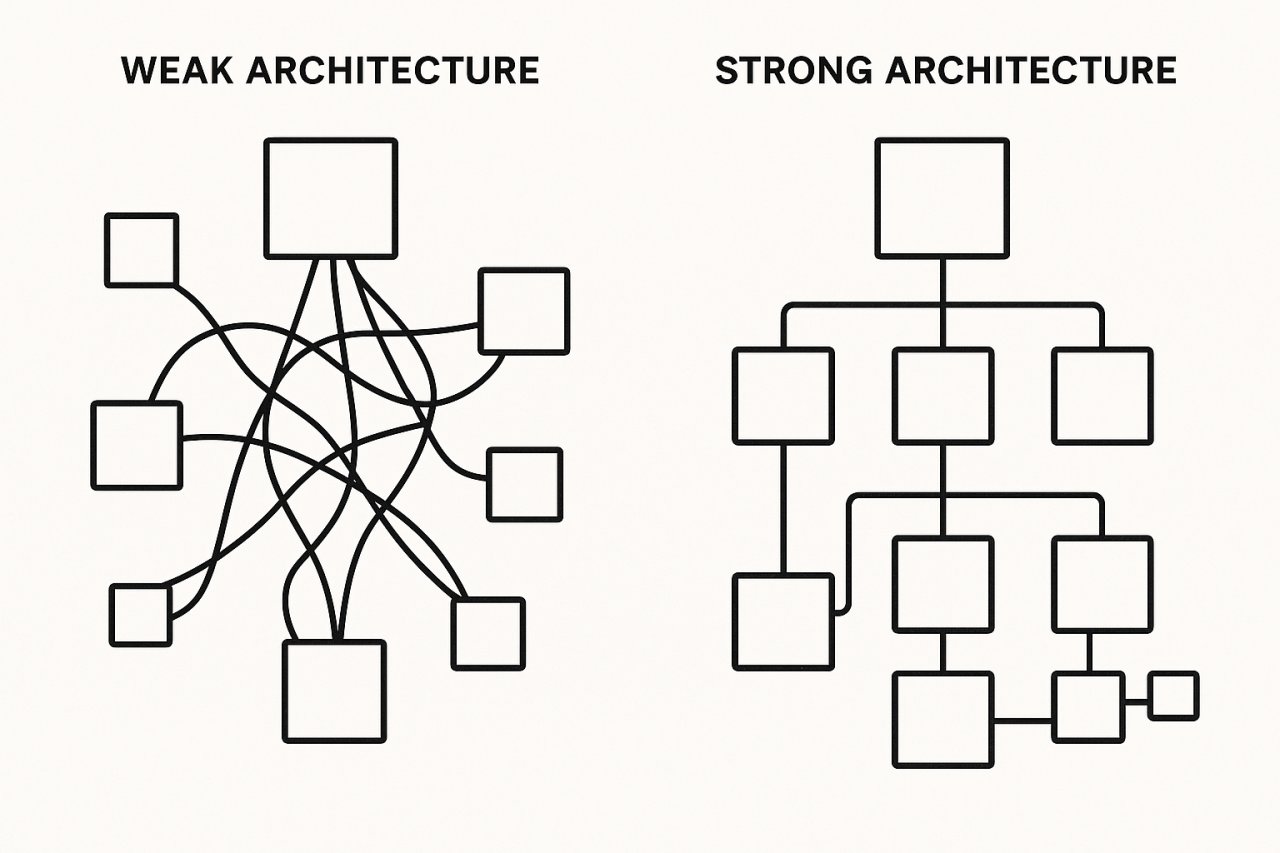
Internal linking structure became a ranking factor in ways it wasn’t before. Sites with strong, logical link architectures held their positions. Those with chaotic or thin internal linking patterns — where pages existed in isolation — saw dramatic drops.
The Link Quality Crackdown
Here’s what surprised most SEOs: Google started treating internal links with the same scrutiny it gives external links. Random, contextually irrelevant internal links now hurt more than they help. The algorithm can tell when you’re linking just to distribute PageRank versus when you’re genuinely guiding users to related, valuable content.
Your cornerstone content might be brilliant, but if it’s not properly connected to the rest of your site through meaningful internal links, Google treats it like an island. Isolated pages rarely rank well anymore.
User Experience Signals Got Heavier Weight
Core Web Vitals matter more, but not in isolation. Google’s looking at the complete user journey now. Do visitors navigate deeper into your site? Do they return? How long do they actually engage with content?
A fast-loading page that makes people immediately hit the back button doesn’t win. A slightly slower page that keeps people reading and clicking through does.
Why Your Site Got Hit
Most sites that lost rankings made one of three mistakes. Sometimes all three.
You Optimized for Keywords, Not Topics
If your content strategy involved targeting individual keywords with standalone articles, you’re fighting yesterday’s battle. Google ranks topical authority now — the depth and breadth of your coverage on a subject, demonstrated through interconnected content.
A single comprehensive guide with strong internal architecture beats ten loosely related articles every time. The sites that maintained or gained rankings had clear topic clusters with pillar pages supported by detailed subtopic content, all logically linked together.
Your Internal Linking Was an Afterthought
Be honest: when was the last time you audited your internal links? Most sites add them randomly during content creation and never revisit them. Old content sits there with outdated or broken internal links. New content doesn’t get linked from relevant existing pages.
This creates orphan pages — content that technically exists but might as well be invisible because nothing points to it. Google’s algorithm now actively devalues sites with poor internal link distribution.
You Chased Trends Instead of Building Authority
Jumping on every trending topic without establishing foundational authority is a losing strategy. Sites that got hit often had scattered content portfolios — articles on dozens of loosely related topics, none covered in real depth.
The Recovery Playbook That Actually Works
Recovery isn’t about quick fixes. It’s about systematically rebuilding trust with Google. Here’s the sequence that gets results.
Audit Your Content for Real Value
Start brutal. Go through your top 50 pages by traffic and ask: Does this genuinely answer the question better than competitors? Not just differently — better. More complete, more practical, more actionable.
If the answer is no, you have three options: significantly improve it, consolidate it with related content, or delete it. Sites that recovered fastest weren’t afraid to cut underperforming content. Thin pages dilute your overall authority.
One e-commerce site in the home improvement niche recovered 60% of lost traffic in eight weeks by consolidating 200 product-related blog posts into 40 comprehensive guides. Each new guide incorporated the best content from 5-7 old posts, then they set up proper 301 redirects.
Rebuild Your Internal Linking Architecture
This is where most recovery efforts fail or succeed. Your internal linking needs to accomplish two things: distribute authority and guide users. Random contextual links don’t cut it anymore.
Create a clear hierarchy. Identify your pillar content — the comprehensive guides that define your expertise. Then map out supporting content that dives deeper into specific aspects. Link from pillars to supporting pages and back. Link between related supporting pages. Make it deliberate.
Every important page should have multiple internal links pointing to it from contextually relevant locations. Not footer links, not sidebar links — actual in-content links with descriptive anchor text that makes sense to human readers.
For sites with hundreds of pages, manual internal linking becomes impossible to maintain. Tools like AI Internal Links can analyze your content and suggest contextually relevant link opportunities you’d never spot manually, keeping your architecture strong as you add new content.
Double Down on Topic Clusters
Pick 3-5 core topics where you can legitimately claim expertise. Build comprehensive topic clusters around each one. This means a detailed pillar page (2000+ words) supported by 10-15 subtopic pages that go deep on specific aspects.
The key is interconnection. Every piece of content in a cluster should link to the pillar and to related subtopic pages. This signals topical authority to Google in a way scattered articles never will.
A B2B SaaS site recovered from a 50% traffic drop by consolidating their blog into five tight topic clusters around their core service offerings. Within three months, their rankings stabilized. Within six, they surpassed their pre-update traffic.
What to Do Right Now
You need quick wins while building long-term recovery. Start here.
Identify and Fix Orphan Content
Use your analytics to find pages with traffic that have zero or one internal links. These are orphan pages — content that exists but isn’t properly integrated into your site structure. Add 3-5 relevant internal links to each orphan page from related content.
This alone can recover 10-20% of lost traffic within weeks. You’re not creating new content, just connecting what already exists.
Update Your Best Content First
Find pages that ranked well before the update but dropped. These are prime recovery targets because Google already validated their relevance — they just don’t meet current quality standards.
Expand them. Add recent examples, update statistics, incorporate new subtopics you might have missed. Then strengthen their internal link profile by linking to them from 5-10 related pages.
Stop Publishing for Volume
If you’re still trying to hit a content quota, stop. Publishing mediocre content to maintain frequency actively hurts you now. One exceptional article per week beats seven average ones.
Focus your effort on depth over breadth. Make each new piece genuinely comprehensive. Before hitting publish, ask whether this content meaningfully adds to your topical authority or just adds noise.
Future-Proofing Your Site
Recovery is step one. Staying resilient against future updates is the real goal.
Build Content That Survives Algorithm Changes
The sites that never got hit share one trait: they solve real problems comprehensively. They’re not optimized for search engines — they’re optimized for humans, which happens to align with what search engines want.
Your content strategy should start with user problems, not keyword volumes. What questions keep your audience up at night? What mistakes do they repeatedly make? What processes confuse them? Answer those thoroughly, and rankings follow.
Maintain Your Internal Link Health
Internal linking isn’t a one-time task anymore. As you add content, you need to continuously identify new linking opportunities between existing pages. When topics evolve, update old content to link to new, more comprehensive resources.
Set a quarterly internal link audit. Check for broken links, outdated anchors, and missed connection opportunities. Sites that maintain strong internal link profiles weather updates better because they constantly signal their topical organization to Google.
Monitor User Engagement Metrics
Google’s watching how users interact with your site. You should too. Track pages per session, time on page, and scroll depth — not just traffic and rankings. If engagement drops on key pages, that’s an early warning signal.
Low engagement pages either need significant improvement or removal. Don’t let underperforming content drag down your site’s overall authority.
The Real Lesson from 2026 Updates
Google’s algorithm increasingly rewards sites that function like actual publications — clear editorial focus, strong internal structure, comprehensive topic coverage, genuine expertise. It punishes sites that look like content farms, even sophisticated ones.
Recovery isn’t about finding the right technical tweak. It’s about fundamentally improving how you organize and present information. Strong internal linking, topic clustering, and ruthless content quality standards aren’t just recovery tactics — they’re the baseline for sustainable SEO.
The sites that thrive aren’t gaming the system. They’re building resources users genuinely want to return to, and Google can tell the difference.