
Table of Contents
- What Makes the 2026 Core Update Different
- Why Your Site Lost Rankings: The Common Patterns
- The E-E-A-T Framework in 2026: What Actually Works
- Recovery Strategy: The 90-Day Plan
- What to Expect: Recovery Timeline and Signals
- Prevention: Building Algorithm-Resistant Content
- Moving Forward: The New Content Normal
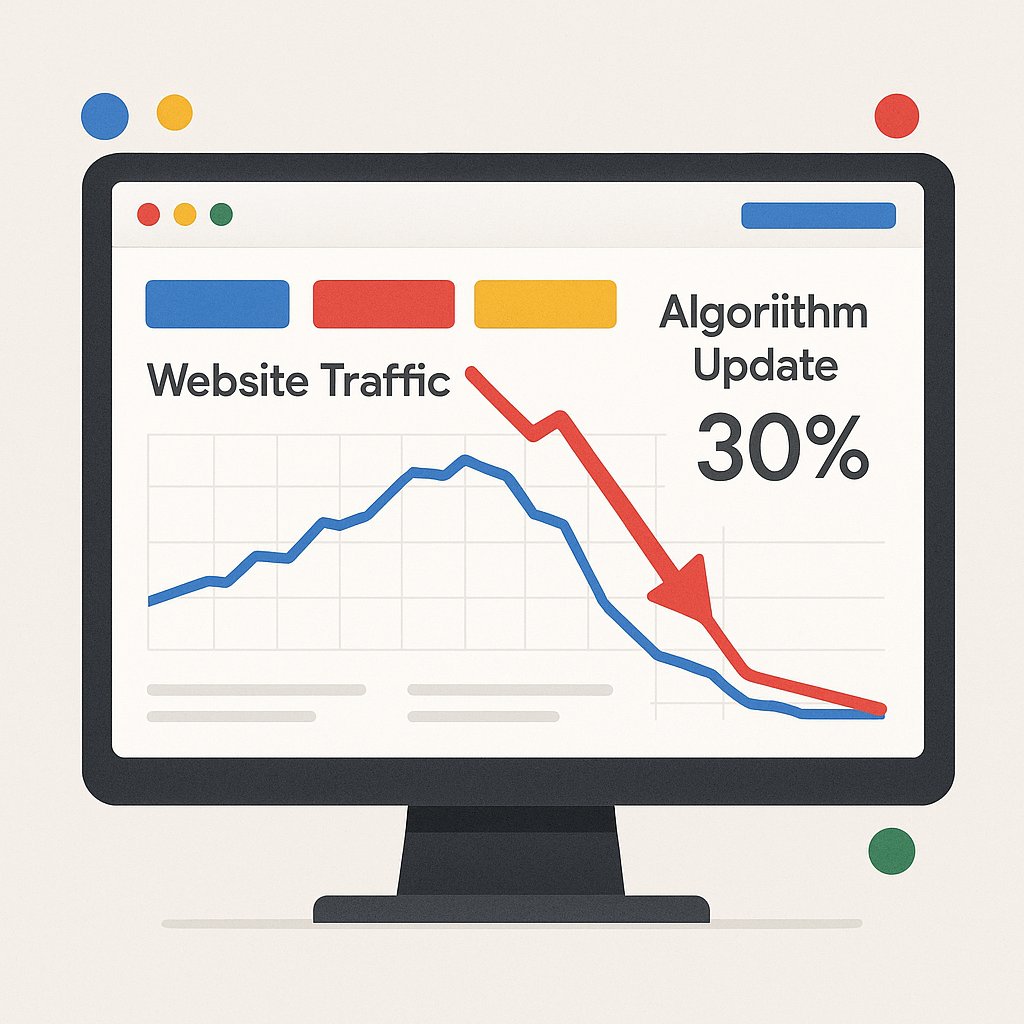
The February 2026 core update hit differently than previous algorithm shifts. Sites that survived 2023’s Helpful Content Update relatively unscathed found themselves suddenly invisible. The pattern? Google’s gotten ruthlessly good at detecting surface-level expertise versus genuine depth.
Here’s what actually changed, what it means for your site, and the recovery strategy that doesn’t rely on waiting six months for the next update.
What Makes the 2026 Core Update Different
This isn’t just another E-E-A-T recalibration. Google’s pushed beyond surface signals into something more fundamental: topical coherence.
The algorithm now evaluates whether your site demonstrates sustained expertise across interconnected topics or just produces isolated articles targeting keywords. Think of it as the difference between a university professor who’s built a career in molecular biology versus someone who Googled ‘molecular biology basics’ and wrote a 2,000-word article.
The Topical Authority Threshold
Google’s raised the bar on what constitutes authority in your niche. A single well-written pillar post no longer establishes you as an expert. The algorithm looks for:
Depth across subtopics: Do you cover related angles, or just the main keyword?
Historical consistency: Have you been publishing in this space for months or years?
Internal content relationships: Does your content reference and build upon itself?
Sites that treated content as independent assets — write an article, publish it, move on — got decimated. The winners had built ecosystems where each piece reinforced the others.
The Experience Signal Gets Smarter
The first ‘E’ in E-E-A-T — Experience — evolved dramatically in this update. Google’s language models can now detect the difference between firsthand knowledge and research-based synthesis.
A travel blog that says ‘Rome is beautiful and worth visiting’ gets ignored. One that says ‘The #64 bus from Termini to the Vatican costs €1.50 and runs every 8 minutes — skip the metro’ signals actual experience.
This applies to every niche. Product reviews without specific usage scenarios fail. How-to guides without troubleshooting sections based on real problems users face drop in rankings.
Content Quality vs. Content Quantity Finally Matters
Google’s been threatening this for years. Now it’s real.
Sites with 500 mediocre articles lost to sites with 50 exceptional ones. The algorithm seems to apply a quality penalty at scale — if your site’s median article quality is low, even your best content gets suppressed.
This explains why massive content farms saw 60-80% traffic drops while focused niche sites held steady or grew.
Why Your Site Lost Rankings: The Common Patterns
After analyzing hundreds of affected sites, three patterns emerge. Most sites hit by this update fall into at least one category.
Pattern 1: Keyword Targeting Without Topic Mastery
You identified 50 keywords in your niche, wrote one article per keyword, maybe interlinked them superficially. Google now sees this for what it is: keyword coverage, not expertise.
The algorithm wants to see subtopic depth. If you wrote about ’email marketing,’ did you also cover deliverability, list segmentation, automation workflows, compliance, and engagement metrics? Or just one 1,500-word overview?
Pattern 2: Generic Implementation of Best Practices
Your article structure looked perfect. H2s and H3s properly nested. Featured snippet boxes. FAQ sections. But the actual content offered nothing beyond what 20 other sites already said.
Google’s identifying template-following versus insight-generation. If your content could’ve been written by someone who read three competitor articles and synthesized them, you’re now competing for position 15, not position 3.
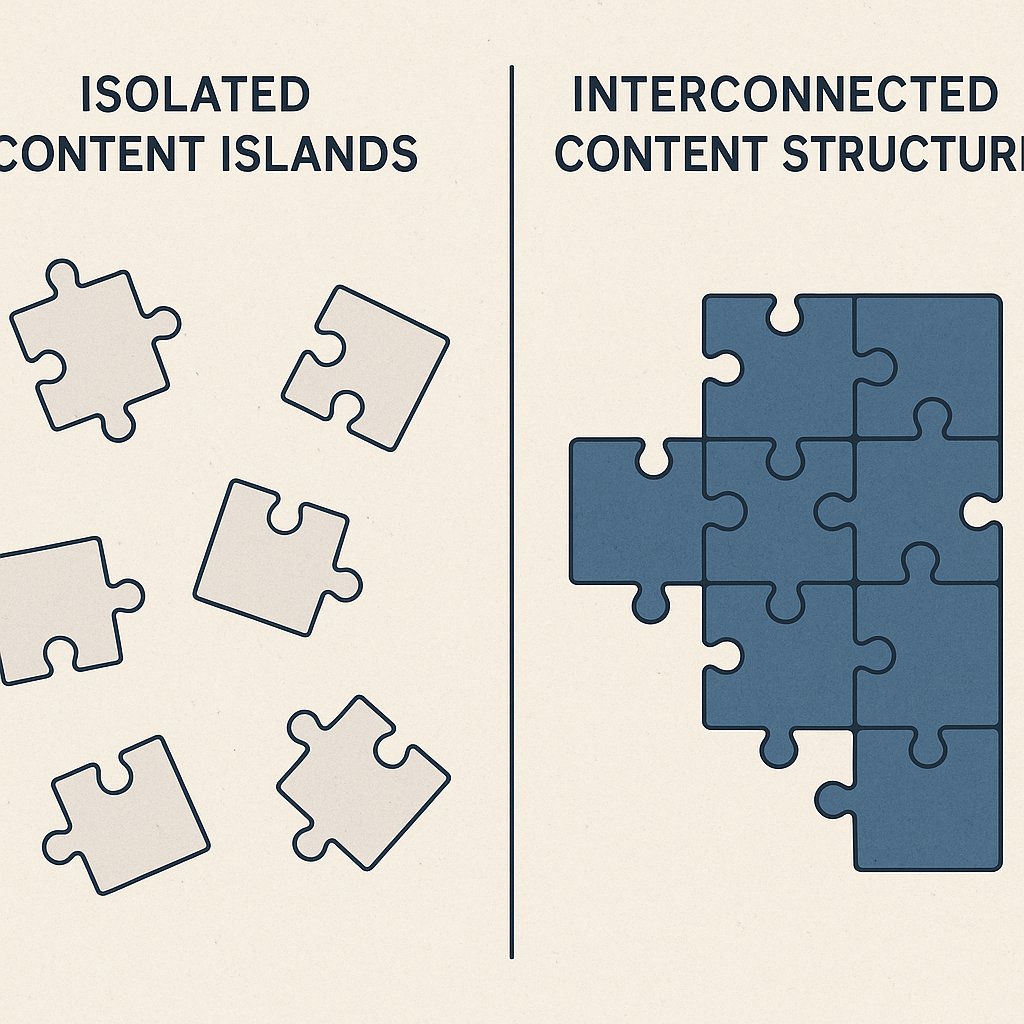
Pattern 3: Isolated Content Islands
Each article existed independently. No meaningful internal linking structure. No topic clustering. No content hub approach.
The algorithm interprets this as scattered knowledge rather than systematic expertise. Sites with clear topical hierarchies — pillar content supported by detailed subtopic articles — maintained or improved rankings.
The E-E-A-T Framework in 2026: What Actually Works
Google’s E-E-A-T guidelines haven’t changed on paper. Implementation has.
Experience: The Specificity Test
Every piece of content should pass the specificity test: Can only someone who’s actually done this write what you wrote?
Bad: ‘Use social media to promote your content.’
Good: ‘I posted the same article on LinkedIn at 9 AM Tuesday and 2 PM Thursday. Tuesday got 47 engagements, Thursday got 340. B2B audiences check LinkedIn during lunch breaks, not morning commutes.’
The second version can only come from real testing. That’s experience.
Expertise: Demonstrate, Don’t Declare
Saying you’re an expert means nothing. Showing expertise through content depth does.
Create content that requires domain knowledge to understand, not just to write. If a smart generalist could fully grasp your article in one read, you’re not demonstrating expertise — you’re explaining basics.
This doesn’t mean being obtuse. It means including nuance, edge cases, and professional-level insights that someone new to the field wouldn’t think to ask about.
Authoritativeness: Build Connected Knowledge Graphs
Authoritativeness isn’t about author bios anymore. It’s about comprehensive topic coverage with clear content relationships.
Googlebot evaluates how your content interconnects. Do articles reference each other naturally? Does new content expand on previous pieces? Is there a clear hierarchy from broad overview content to specific implementation details?
Sites that treated internal linking as an afterthought — random ‘related posts’ widgets or scattered anchor text — lost authority signals. Those with deliberate topic clustering and strategic internal linking maintained trust.
Trustworthiness: Accuracy Over Volume
One factually incorrect article can tank your entire site’s credibility now. Google’s gotten scary good at cross-referencing claims against authoritative sources.
Prioritize accuracy over publishing frequency. Better to publish one thoroughly researched, fact-checked article monthly than four mediocre ones weekly.
Recovery Strategy: The 90-Day Plan
If you lost rankings in this update, here’s the systematic recovery approach. Not theory — tactics.
Week 1-2: Content Audit and Quality Triage
Identify your three content categories:
Core content: Articles that demonstrate genuine expertise and experience. Keep these.
Mediocre content: Articles that are fine but generic. These need complete rewrites, not updates.
Thin content: Articles under 800 words with no unique insights. Delete or redirect these. Yes, actually delete content. Keeping low-quality pages active hurts your entire domain.
Be ruthless. If you wouldn’t proudly show an article to an industry peer, it’s hurting you.
Week 3-4: Depth Enhancement
Take your top 10 articles and triple their depth. Not their length — their insight density.
Add specific examples from your experience. Include edge cases. Address objections. Show failure modes and how to avoid them. Compare approaches and explain when each works best.
One fully developed article with 3,000 words of genuine expertise beats three 1,000-word surface treatments.
Week 5-6: Topical Clustering Architecture
Identify 3-5 core topics your site owns. Not keywords — topics.
For each topic:
- Create or identify one comprehensive pillar article (3,000+ words)
- Develop 5-10 supporting articles covering specific subtopics
- Establish clear hierarchical relationships through strategic internal linking
- Ensure supporting content references and builds upon the pillar
This creates the topical authority signal Google’s algorithm prioritizes now.
Week 7-8: Internal Linking Overhaul
Most sites drastically underutilize internal links. Your content should reference related articles wherever contextually relevant — not just in sidebars or footers.
For every article, identify 5-10 other pieces on your site that provide supporting context, deeper dives, or related angles. Link to them naturally within body content using descriptive anchor text.
Internal linking demonstrates content relationships. It tells Google how your knowledge pieces fit together. Sites with strong internal linking structures recovered faster from this update.
Week 9-12: Fresh Content With Strategic Intent
Publish new content that fills gaps in your topical coverage. Not random keywords — systematic topic completion.
If your pillar article covers ’email marketing strategy,’ but you lack content on deliverability, automation, or compliance, those gaps signal incomplete expertise.
Create the missing pieces. Each new article should strengthen your topical authority by addressing a subtopic you hadn’t covered yet.
What to Expect: Recovery Timeline and Signals
Recovery from a core update isn’t linear. Don’t expect steady traffic growth.
Month 1: Stabilization
You’re stopping the bleeding. Traffic might not grow yet, but volatility should decrease. Rankings stop dropping further.
Month 2-3: Early Gains
You’ll see movement on long-tail queries first. Articles you’ve enhanced start climbing for related variations of your target keywords. This validates your approach.
Month 4-6: Broad Recovery
Main keywords recover as Google’s algorithm recognizes your improved topical authority. You might not reach pre-update levels immediately, but you’ll be climbing.
Full recovery takes 6-12 months typically. Some sites recover faster if they had strong foundations and only needed content quality improvements. Others take longer if they’re rebuilding topical authority from scratch.
Prevention: Building Algorithm-Resistant Content
The best recovery strategy is not needing one.
Publish With Intent, Not Volume
Every new article should serve a clear purpose in your content ecosystem. Does it address a gap? Does it support a pillar piece? Does it demonstrate expertise in a way your existing content doesn’t?
If the answer is just ‘it targets a keyword,’ reconsider.
Maintain Topic Coherence
Your site should have a clear expertise perimeter. Going too broad dilutes authority. A site about WordPress SEO that suddenly publishes content about cryptocurrency trading looks opportunistic, not expert.
Stay focused on interconnected topics where your expertise genuinely extends.
Update Core Content Quarterly
Your best-performing articles should be living documents. Quarterly updates signal ongoing expertise better than publication date alone.
Add new examples, address emerging trends, refine recommendations based on new data. Google rewards sites that maintain and improve existing content, not just publish new pieces.
Sites that survived core updates best weren’t lucky — they’d built content ecosystems where expertise, depth, and topical authority were structural features, not afterthoughts.
Moving Forward: The New Content Normal
The 2026 core update isn’t a blip. It’s the direction.
Google’s algorithm increasingly rewards sites that demonstrate genuine mastery over comprehensive keyword coverage. The days of thin content farms ranking well are definitively over.
This is actually good news for serious site owners. The playing field just got more level. Quality and expertise matter more than publishing velocity or keyword density.
Focus on building real authority in your niche. Create content only you could create based on your experience. Develop topical depth systematically. Connect your knowledge pieces deliberately.
The next core update will reward the same signals. Getting this right now means riding out algorithm changes rather than recovering from them.