
Table of Contents
- Where AI SEO Automation Actually Delivers Value
- Internal Linking Automation: The One Area Where AI Actually Saves Time
- What AI Can’t Do (And Why That Matters)
- Choosing AI SEO Tools That Actually Work
- The Real Cost of AI SEO Automation
- How to Implement AI Automation Without Losing Control
- The Bottom Line on AI SEO Automation
Here’s what nobody talks about: AI SEO automation isn’t replacing SEO expertise. It’s amplifying it. The marketers winning right now aren’t the ones using every AI tool they find. They’re the ones who know exactly which tasks to automate and which to handle manually.
The gap between those two approaches? That’s where rankings get made or lost.
Where AI SEO Automation Actually Delivers Value
Let me be direct: most AI SEO tools are solving problems you don’t have. They generate content briefs you could write in five minutes. They analyze competitors you already know. They create meta descriptions that sound like a robot wrote them (because a robot did).
The real wins come from AI handling repetitive optimization tasks at scale — the kind of work that takes hours manually but minutes with the right automation.
Pattern Recognition Beats Human Speed Every Time
AI excels at one thing above all: spotting patterns in massive datasets. Your brain can’t analyze 500 pages of content to identify internal linking gaps. AI can do it in seconds.
That’s not hype — that’s just math. Machine learning algorithms process relationships between pages faster than any human team. They identify orphaned content, spot keyword clustering opportunities, and map topical relevance across your entire site architecture.
But here’s the catch: AI finds the patterns. You still decide what to do with them.
On-Page Optimization That Doesn’t Feel Robotic
The best AI content optimization tools don’t write your content. They analyze what you’ve already written and suggest improvements based on what’s ranking.
Think of it like spell-check for SEO. The tool flags issues — thin title tags, missing header hierarchy, keyword cannibalization — then you fix them with human judgment. You’re not outsourcing strategy. You’re just catching mistakes faster.
I’ve tested dozens of these tools. The ones worth using show you the problem and explain why it matters. The ones to avoid just output a checklist with no context.
Internal Linking Automation: The One Area Where AI Actually Saves Time
Most SEO tasks shouldn’t be fully automated. But internal linking? That’s the exception.
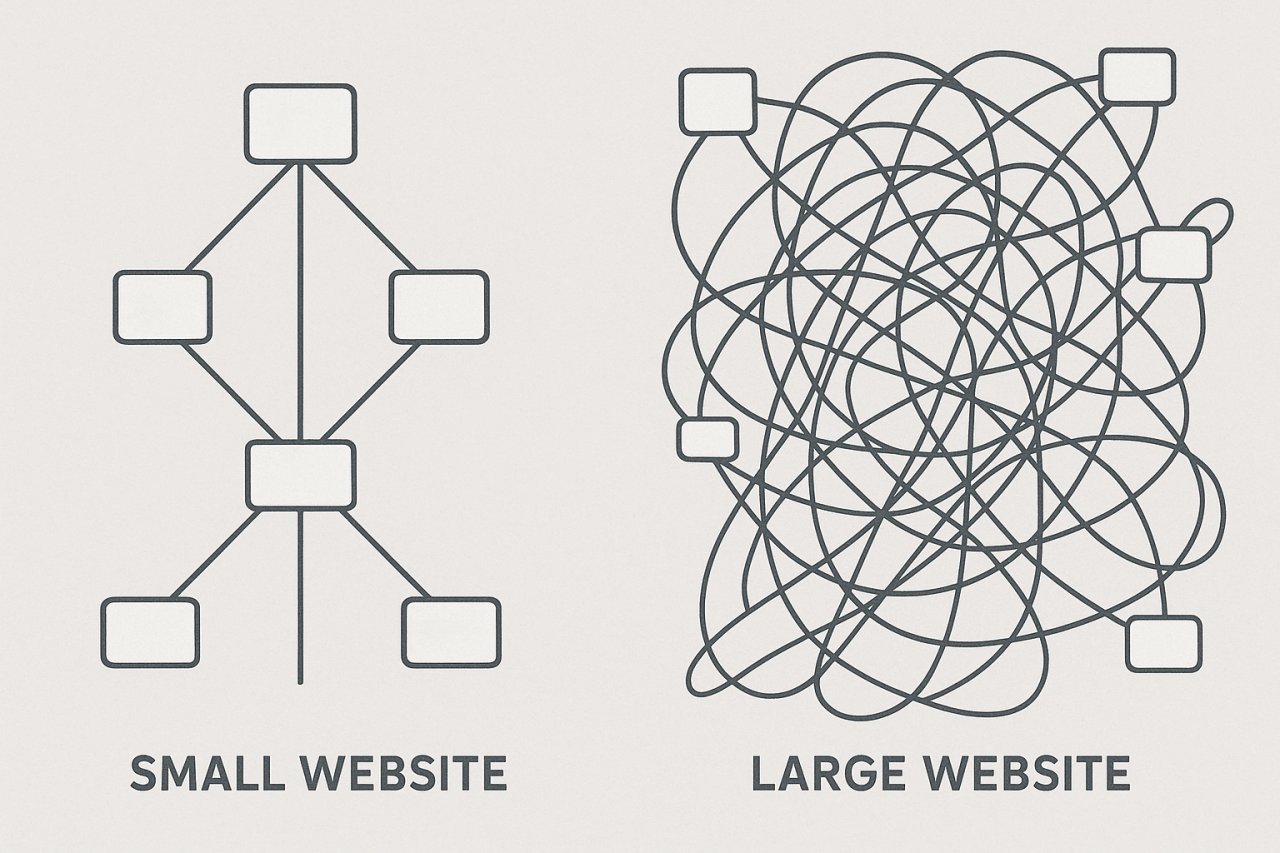
Here’s why: humans are terrible at maintaining consistent internal link structures as sites grow. You publish 50 new articles, and suddenly your cornerstone content from two years ago isn’t linking to any of it. Google sees that. Your rankings reflect it.
Manual Internal Linking Breaks at Scale
Small sites can get away with manual linking. You’ve got 20 pages — you remember what links where. But once you’re past 100 pages, you’re guessing. You link to the posts you remember writing, not the ones that are contextually relevant.
That’s not strategy. That’s recency bias.
AI internal linking tools remove the guesswork. They analyze semantic relationships between pages and suggest connections based on topical relevance, not what you happened to write last week.
Tools like AI Internal Links automate this process by continuously analyzing your content and adding contextual links as you publish. The result: every new post gets integrated into your existing structure without manual busywork.
Context Matters More Than Keyword Matching
Old-school internal linking tools just matched exact keywords. You mention “content marketing” — they link to your content marketing page. Simple. Also stupid.
Modern AI tools understand semantic context. They know that an article about “email list building” should link to your “lead generation strategy” post even if those exact phrases don’t overlap. That’s how Google evaluates relevance now. Your internal links should work the same way.
The automation handles the matching. You focus on whether the suggested links actually help readers.
What AI Can’t Do (And Why That Matters)
Now for the uncomfortable truth: AI automation fails spectacularly at tasks requiring original thinking or strategic judgment.
It can’t decide which topics to cover. It can’t craft a unique brand voice. It can’t determine whether a piece of content aligns with your business goals. Those decisions require human expertise — specifically, your expertise.
Strategy Still Requires Human Brains
AI tools can tell you what’s ranking. They can’t tell you what should rank based on your audience’s actual needs.
I’ve watched content teams automate themselves into irrelevance by chasing AI-generated topic suggestions. They publish dozens of articles hitting all the “right” keywords, but none of it connects with readers. Traffic stays flat. Conversions disappear.
The fix: use AI for execution, not direction. Let it handle optimization. You handle strategy.
Authenticity Doesn’t Automate Well
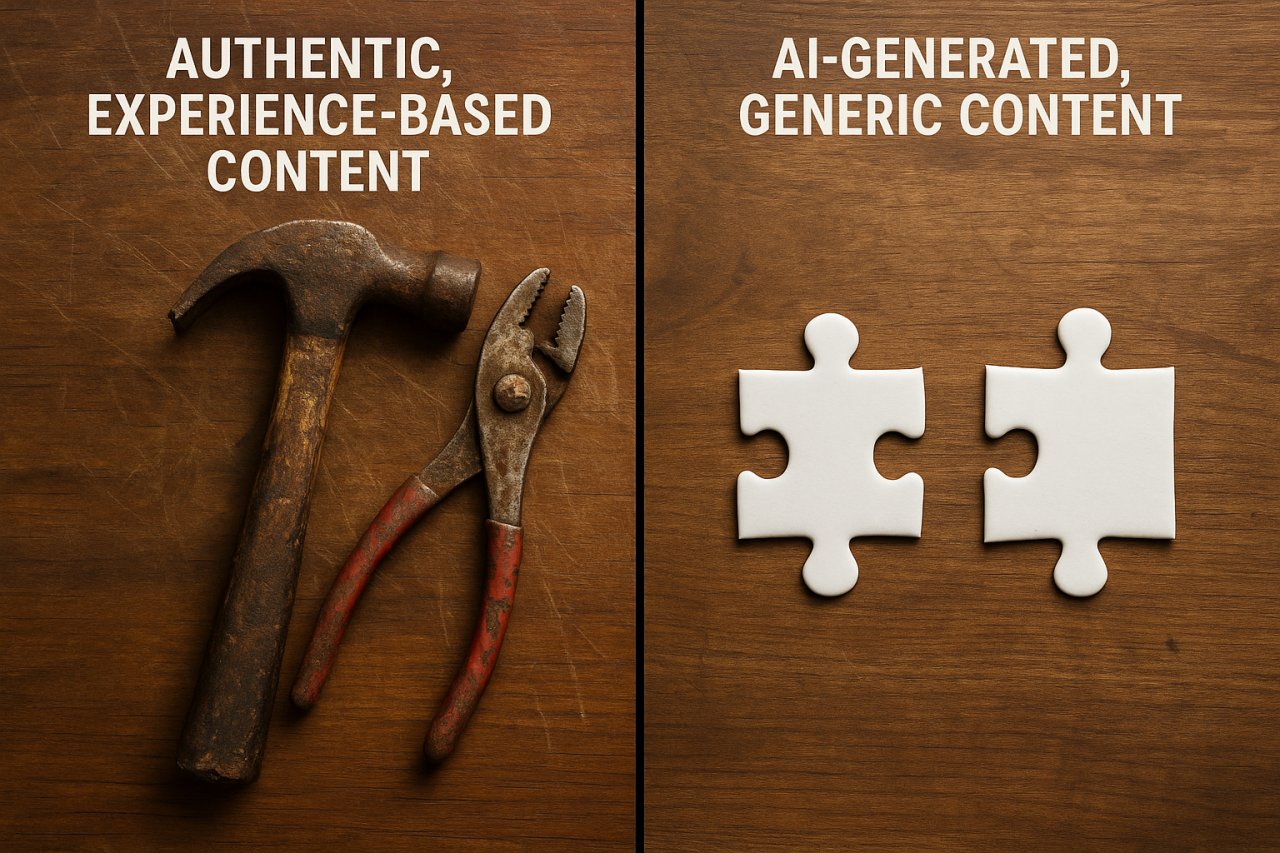
Google’s algorithm updates increasingly reward experience and authenticity. That means content written by people who’ve actually done the thing they’re writing about.
AI can’t fake that. It can mimic patterns, but it can’t share lived experience. It can’t offer counterintuitive advice based on years of trial and error. It can’t say “I tried this approach and here’s what actually happened.”
Your readers can tell the difference. So can Google.
Choosing AI SEO Tools That Actually Work
Most automated SEO tools promise more than they deliver. Here’s how to separate signal from noise.
Specificity Beats Swiss Army Knives
The best AI tools do one thing exceptionally well. Tools that claim to “handle all your SEO needs” usually handle nothing particularly well.
Look for tools built around a specific workflow: technical auditing, internal linking, content optimization, rank tracking. Specialized tools integrate into your existing process. All-in-one platforms force you to adapt to their process.
I’ll take three focused tools over one bloated platform every time.
Transparency Is Non-Negotiable
If an AI tool can’t explain why it made a recommendation, don’t trust it. Period.
Good automation shows its work. It tells you which ranking factors influenced a suggestion. It lets you see the data behind the decision. It gives you enough context to override the automation when necessary.
Black box tools — ones that just output results with no explanation — are useless for learning. You become dependent on the tool without understanding the underlying SEO principles.
Integration Determines Adoption
The best AI tool in the world doesn’t matter if you never use it. That’s why WordPress integration matters so much — if the tool lives inside your existing workflow, you’ll actually use it.
Plugins that work directly in your editor beat standalone dashboards. Automation that triggers when you publish beats manual processes you need to remember. Friction kills consistency.
The Real Cost of AI SEO Automation
Every tool has a cost beyond its subscription price. The question is whether you’re trading money for time or trading time for dependency.
Speed vs. Understanding
Automation makes tasks faster. Sometimes too fast. When AI handles optimization automatically, you stop learning how optimization works. Six months later, you can’t troubleshoot issues because you’ve outsourced your understanding.
The fix: treat AI tools as teaching assistants, not replacements. Review their suggestions. Understand the reasoning. Build your expertise while saving time.
Tool Sprawl Is the New Bloat
Adding five AI tools might save 10 hours per week. It might also create a maintenance nightmare — five logins, five dashboards, five monthly charges, five points of failure.
Consolidate ruthlessly. If two tools overlap by 60%, pick one and ditch the other. Every additional tool creates cognitive overhead. Less is genuinely more.
How to Implement AI Automation Without Losing Control
Here’s a framework that works: automate execution, not decision-making.
Start With High-Volume, Low-Risk Tasks
Begin with tasks that are time-consuming but hard to mess up. Internal linking fits this perfectly — adding relevant links rarely hurts, and the time savings are massive.
Technical audits are another good starting point. Let AI crawl your site and flag issues. You still decide which fixes to prioritize based on business impact.
Build Human Checkpoints Into Automated Workflows
Don’t set automation and forget it. Schedule monthly reviews where you audit what the AI is doing. Are the internal links actually relevant? Are the optimization suggestions improving rankings? Are you seeing ROI?
Those checkpoints keep automation aligned with your goals instead of running on autopilot.
Measure What Actually Matters
Time saved means nothing if rankings don’t improve. Track organic traffic, keyword rankings, and conversion rates before and after implementing AI tools.
If a tool saves you five hours per week but your traffic stays flat, you haven’t automated SEO. You’ve just automated busywork.
The Bottom Line on AI SEO Automation
AI won’t replace content creators who understand SEO. It will replace content creators who refuse to adapt.
The winning move isn’t using every AI tool available. It’s identifying the 20% of tasks where automation delivers 80% of the value — then executing those tasks flawlessly while keeping strategic control.
The best SEO teams use AI to handle the repetitive mechanics so they can focus on the strategic decisions that actually move rankings.
Start with one area — internal linking is the obvious choice for most WordPress sites. Automate it well. Measure the results. Then expand only if the data justifies it.
That’s not a revolutionary approach. It’s just smart SEO that happens to use AI.