
Table of Contents
- Generative Engine Optimization Isn’t Optional Anymore
- Semantic Search Means Internal Linking Actually Matters Now
- IndexNow and Real-Time Indexing Changes Everything
- Voice Search and Conversational Queries Dominate
- Zero-Click Searches Require Strategy Shifts
- AI Content Detection Is Irrelevant (But Quality Isn’t)
- The WordPress SEO Stack for AI-First Search
- What Actually Works in Practice
The shift isn’t just about Google adding AI features. It’s about how search engines understand content, how users interact with results, and how WordPress sites need to adapt their optimization strategies. If you’re still optimizing for the 2019 playbook, you’re already behind.
This isn’t theoretical. Sites that adapted early to semantic search patterns saw traffic stabilize or grow through recent algorithm updates. Sites that kept doing keyword stuffing and link schemes? They’re the ones posting panic threads in SEO forums.
Generative Engine Optimization Isn’t Optional Anymore
Forget SEO for a moment. Generative Engine Optimization (GEO) is the practice of getting your content cited in AI-generated answers — whether that’s Google’s AI Overviews, ChatGPT search results, or Perplexity citations.
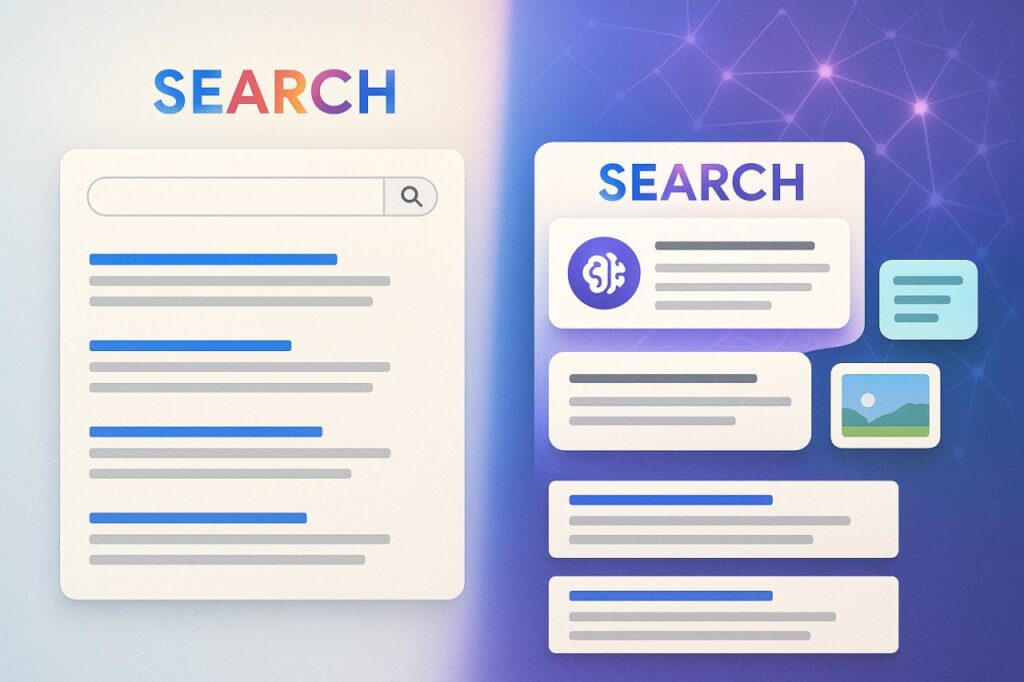
Here’s what changed: traditional search showed ten blue links. Users clicked. You got traffic. Now, AI engines synthesize answers from multiple sources and display them directly. Users don’t click unless the AI answer isn’t enough.
Your content needs to be citation-worthy, not just rankable.
What Makes Content Citation-Worthy
AI models favor content that’s structured, factual, and contextually clear. That means your WordPress posts need to answer questions directly, define terms explicitly, and use schema markup that machines can parse.
Think about how you write. If a paragraph takes three sentences to get to the point, an AI model might skip it for a competitor who stated the answer in sentence one.
Structured data isn’t decoration anymore — it’s a ranking signal for AI citations. FAQ schema, HowTo schema, Article schema. These tell AI engines exactly what your content contains and how it relates to user queries.
The E-E-A-T Evolution for AI-Generated Results
Google’s Experience, Expertise, Authoritativeness, and Trustworthiness (E-E-A-T) guidelines now directly influence which sources AI overviews cite. If your site lacks author bios, citation links, or topical depth, you won’t get picked.
This hits WordPress sites hard because many use generic blog setups without author authority signals. Adding an author box isn’t enough. You need demonstrated expertise: bylines on industry publications, speaking engagements, credentials.
AI models check for corroboration. If your claim appears on your site alone, it’s suspect. If five authoritative sites say the same thing, it’s fact. Build backlinks not for PageRank but for source validation.
Semantic Search Means Internal Linking Actually Matters Now
Here’s something most WordPress site owners miss: Google doesn’t read your site like a human anymore. It maps relationships between topics, entities, and concepts. Your internal link structure is the map.
Bad internal linking confuses the semantic model. Google can’t figure out which page is your authority piece on a topic. It can’t understand how concepts relate across your content.
Good internal linking creates topical clusters that AI crawlers understand instantly.
How AI Changes Internal Link Strategy
Old approach: link from high-authority pages to low-authority pages to pass PageRank.
New approach: link related topics to build semantic clusters that demonstrate topical authority. If you write about WordPress security, every related post (plugins, hosting, updates) should interlink to show Google you own that topic comprehensively.
The anchor text matters more than ever. Don’t use “click here” or “read this.” Use descriptive phrases that contain target keywords and related entities. “WordPress security plugins” beats “learn more” every time.
Manual internal linking doesn’t scale. You publish 50 posts, you can’t remember which ones should link to each other. Tools like AI Internal Links analyze your content semantically and suggest relevant connections automatically — exactly the kind of semantic relationship mapping that helps sites rank in AI-driven search.
Topic Clusters Beat Keyword Pages
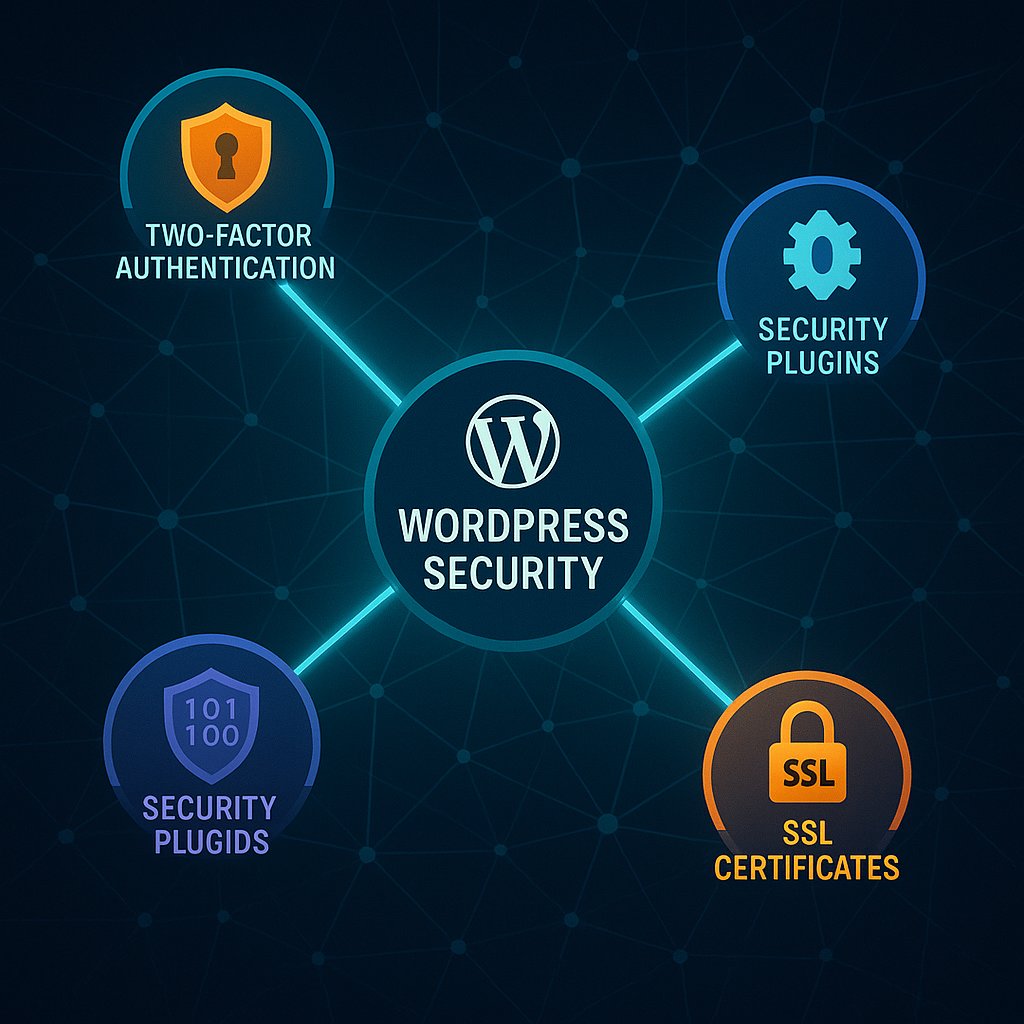
Stop optimizing individual pages for individual keywords. Start building topic clusters: one pillar page covering a broad topic, multiple cluster pages covering subtopics, all interlinked.
Example: your pillar page is “WordPress Security.” Cluster pages cover “two-factor authentication,” “security plugins,” “SSL certificates,” “malware scanning.” Each cluster page links to the pillar. The pillar links to all clusters.
Google’s AI understands this structure. It sees you as an authority on WordPress security broadly, not just on one narrow keyword. That’s what gets you cited in AI overviews.
IndexNow and Real-Time Indexing Changes Everything
Remember waiting days or weeks for Google to crawl your new content? IndexNow protocol is ending that. WordPress sites can now notify search engines the instant content publishes.
Microsoft Bing, Yandex, and others adopted IndexNow immediately. Google joined in 2023. This fundamentally changes how fresh content gets discovered and ranked.
Why Speed to Index Matters More in AI Search
AI-generated answers favor recent information. If your competitor’s post indexes two hours before yours on the same topic, they get the citation. You don’t.
IndexNow plugins for WordPress (like Rank Math and Yoast integrations) ping search engines automatically. Set it up once, forget it. Every new post, every update, every page edit gets flagged for immediate crawling.
This is especially critical for news sites, product reviews, and any content where freshness signals authority. AI models check publication dates. Old content gets deprioritized unless it’s evergreen reference material.
Update Old Content or Lose Visibility
Here’s the brutal truth: AI search algorithms demote outdated content faster than traditional search did. If your 2022 WordPress guide still recommends discontinued plugins, AI models won’t cite it.
Regular content audits aren’t optional. Every quarter, review your top pages. Update statistics, replace outdated screenshots, add new sections for recent developments. Then use IndexNow to notify search engines you refreshed it.
Google’s AI Overviews explicitly prefer recently updated content for queries with “2026” or “latest” in them. If you don’t update, you’re invisible.
Voice Search and Conversational Queries Dominate
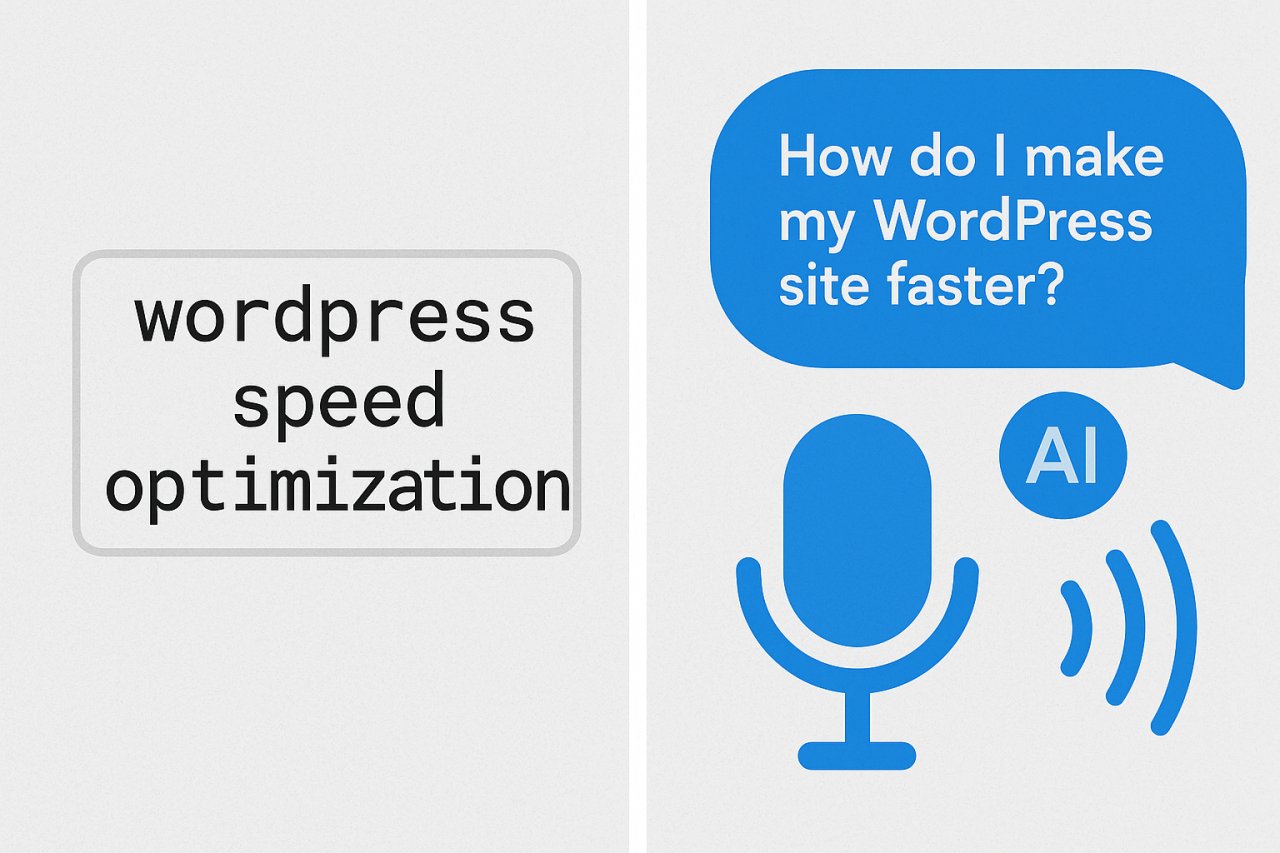
People don’t type “WordPress speed optimization” into voice assistants. They ask: “How do I make my WordPress site faster?”
AI-powered search interfaces favor natural language queries. Your content needs to match conversational patterns, not keyword permutations.
Optimize for Question-Based Search
Look at your Google Search Console data. Filter for queries with question words: how, what, why, when, where. These are growing faster than traditional keyword searches.
Structure content around these questions. Use H2 or H3 tags formatted as questions. “How Do I Install an SSL Certificate on WordPress?” as a heading tells AI models exactly what that section answers.
FAQ sections aren’t just for user experience — they’re direct AI citation targets. Use FAQ schema markup. Write concise answers (50-75 words). AI overviews pull from these constantly.
Featured Snippets Are AI Training Data
Those featured snippets you’ve been optimizing for? They’re now training data for AI-generated answers. If you consistently win featured snippets for related queries, AI models learn your site is authoritative on that topic.
Optimize for them aggressively. Answer questions in 40-60 words directly below the H2. Use lists, tables, and step-by-step formats. These structures win snippets and train AI models simultaneously.
Zero-Click Searches Require Strategy Shifts
Nearly 60% of searches end without a click. Users get their answer from the AI overview or featured snippet and move on. Your brilliant content never gets seen.
This kills the traditional traffic-first SEO model.
Optimize for Visibility, Not Just Clicks
Brand mentions in AI-generated answers build authority even without clicks. If Google’s AI Overview cites your site as a source, users remember your brand when they’re ready to buy.
Focus on branded search growth as a metric. Are more people searching for your site name directly? That’s AI exposure converting to brand awareness.
Use AI citations to drive newsletter signups, not just page views. Include compelling CTAs in meta descriptions that appear under AI-generated summaries. “Get our weekly WordPress tips” beats “Read our blog.”
Multi-Channel Distribution Beats SEO Alone
If AI search is eating your organic traffic, you can’t rely on Google alone. Publish content on LinkedIn, Medium, YouTube. Build an email list. Create a community.
AI tools scrape content from everywhere, not just your WordPress site. A LinkedIn post that goes viral gets cited in AI answers. A YouTube tutorial ranks in video search and AI overviews.
Diversification isn’t defensive — it’s multiplying your AI citation opportunities.
AI Content Detection Is Irrelevant (But Quality Isn’t)
Google doesn’t care if AI wrote your content. They care if it’s useful. The “AI content penalty” was always a myth. Low-quality content gets penalized, whether human or AI generated.
But here’s the nuance: AI-generated content often lacks the depth that AI-powered search engines actually want to cite. Generic listicles and rewritten blog posts don’t demonstrate expertise.
Use AI as a Tool, Not a Replacement
Smart WordPress content strategies use AI for research, outlining, and first drafts — then add human expertise, unique data, and original insights.
AI can analyze your top competitors and suggest content gaps. It can draft meta descriptions in bulk. It can generate schema markup automatically. But it can’t replace practitioner knowledge or original case studies.
The sites winning in AI-driven search use AI tools to work faster, not to avoid thinking. They publish twice as much content with the same team because AI handles grunt work. But every piece still has human insight that AI engines recognize as valuable.
Original Data Beats Aggregated Content
AI models desperately seek primary sources. If you conduct original research, publish proprietary data, or share first-hand case studies, you become a citation magnet.
Even small-scale surveys work. “We surveyed 200 WordPress users about their backup habits” gives you data no competitor has. AI overviews cite it because there’s no other source.
Screenshots, before/after comparisons, and specific metrics from your own sites count as original data. Don’t just explain how to optimize images — show your actual PageSpeed scores before and after optimization with numbers and visuals.
The WordPress SEO Stack for AI-First Search
Your 2026 WordPress site needs different tools than 2023 did. Core plugins remain (Yoast or Rank Math for on-page), but the AI layer requires additions.
Essential Plugins for Semantic SEO
Schema markup plugins like Schema Pro or built-in Rank Math schema help AI engines parse your content structure. Every post needs Article schema minimum. Add FAQ, HowTo, or Review schema where relevant.
Performance plugins matter more because Core Web Vitals influence AI rankings. WP Rocket or LiteSpeed Cache keep your site fast enough to satisfy Google’s Page Experience signals.
Internal linking plugins that use AI to suggest semantic connections — rather than just matching keywords — help build the topic clusters AI search rewards. This is where tools like AI Internal Links shine, automatically creating the semantic web that modern search algorithms need to understand your site’s topical authority.
Content Analysis Tools You Actually Need
Forget keyword density checkers. Use tools that analyze semantic relevance, entity coverage, and topical completeness. Surfer SEO and Clearscope identify related concepts and entities to include, not just keyword variations.
Google Search Console remains critical, but filter for AI-impacted queries: those with “how,” questions, and long-tail conversational patterns. Track impressions in AI Overviews separately if possible.
Your analytics should measure brand search growth, featured snippet wins, and citation appearances in AI answers — not just organic traffic, which will increasingly mislead you about actual visibility and authority.
What Actually Works in Practice
Theory is easy. Execution separates winners from losers. Sites that adapted to AI search did specific things consistently.
They published more frequently but with higher quality thresholds. They updated old content religiously. They built actual topical authority instead of chasing individual keywords. They optimized for answers, not keywords.
Most importantly, they stopped treating SEO as a checklist and started treating it as making their content as useful as possible to AI engines trying to answer user questions.
That mindset shift matters more than any tactic. Ask yourself: if an AI model read this page, would it confidently cite it as a trustworthy answer? If not, you know what to fix.