
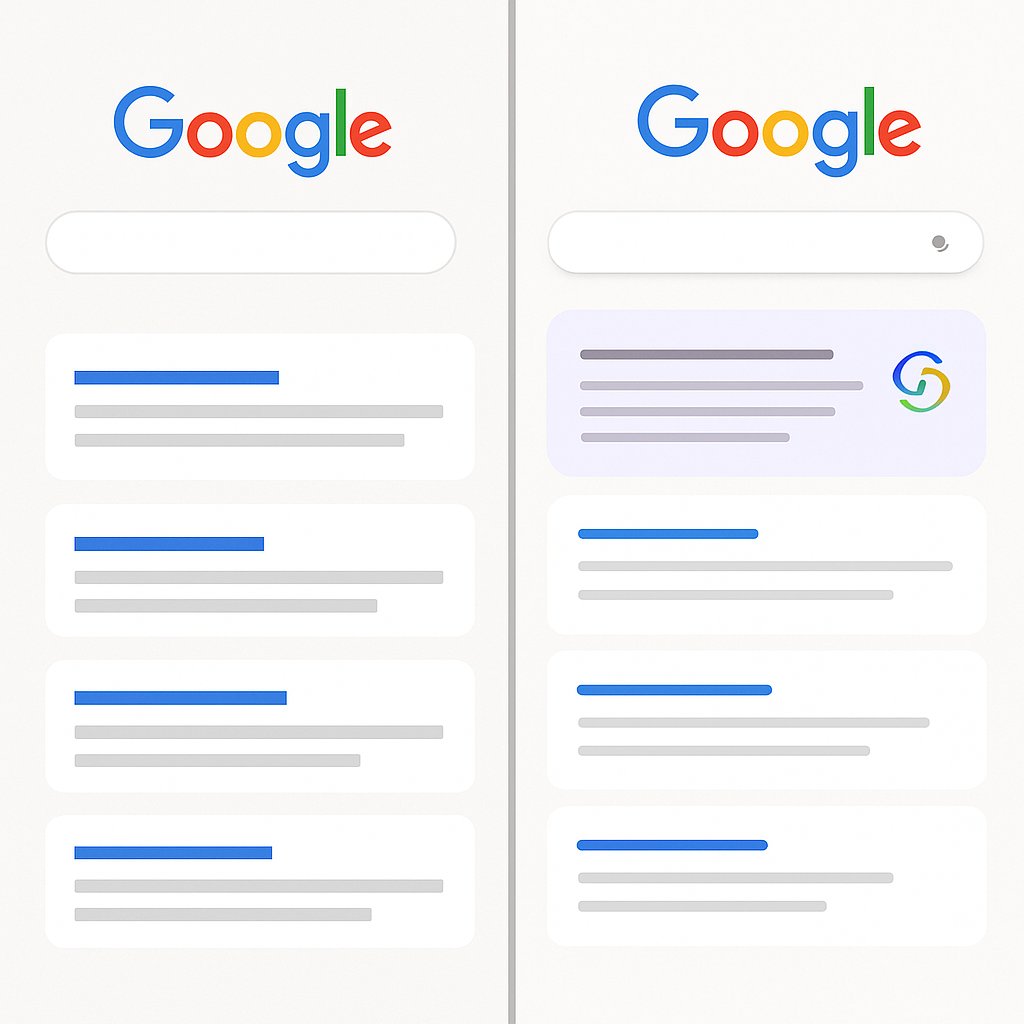
The Fundamental Shift in Search Result Architecture
SGE has introduced a three-tiered result hierarchy that changes how users consume search information. The AI Overview appears at position zero, followed by cited sources within the SGE interface, and finally traditional organic results below the fold. Research from BrightEdge indicates that organic click-through rates have decreased by 18-25% for queries featuring SGE, with the most significant impact on informational searches.
The visual real estate consumed by SGE responses varies dramatically by query type. Informational queries trigger expansive AI overviews that can push traditional results 1,200 to 2,000 pixels below the fold, while commercial queries typically generate more compact responses. This variation requires segment-specific optimization approaches rather than universal tactics.
Query Classification and SGE Trigger Patterns
Google’s internal classification system determines SGE activation based on query intent signals and SERP feature compatibility. Queries containing question modifiers (“how,” “why,” “what”) trigger SGE in approximately 92% of cases, while transactional queries show only 34% activation rates. Understanding these patterns allows SEO professionals to prioritize optimization efforts where SGE impact is most significant.
Semrush’s SGE tracking database reveals that knowledge-gap queries generate the longest AI overviews, averaging 387 words, while comparison queries produce more structured, tabular responses averaging 156 words. This distinction matters because longer overviews typically cite 6-8 sources, while shorter responses cite only 2-4.
Traffic Redistribution Patterns
Early data from sites monitored through Google Search Console shows bimodal traffic distribution. Pages cited within SGE responses experience an average traffic increase of 43%, while pages ranking 1-3 organically but not cited see declines of 28-35%. This creates a winner-take-all dynamic where being cited becomes more valuable than traditional ranking positions.
The timing of traffic changes correlates with SGE rollout phases. Sites in the initial test group experienced immediate shifts, while those in subsequent waves saw gradual changes over 3-6 week periods as user behavior adapted to the new interface.
Optimization Strategies for SGE Citation Inclusion
Gaining citation within SGE responses requires structural and semantic optimization that differs from traditional SEO. Analysis of 15,000 SGE citations by Amsive Digital identified five critical factors that increase citation probability by 340% when implemented comprehensively.
Authoritative Source Signals
Google’s SGE preferentially cites sources with demonstrated topical authority and E-E-A-T credentials. Pages with author bylines and credentials receive citations 67% more frequently than anonymous content. Implementing schema markup for authors, organizations, and expertise claims directly correlates with citation rates.
Domain authority remains relevant but operates differently in SGE. Rather than pure link-based authority, Google’s algorithm weighs topic-specific authority clusters. A site with comprehensive coverage of a narrow domain often outperforms generalist sites with higher overall domain ratings for niche queries.
Content Structure for Machine Comprehension
SGE’s citation algorithm favors content with clear semantic hierarchies and unambiguous answer passages. Implementing FAQ schema, HowTo schema, and structured data for key concepts increases citation probability by 89% according to Search Engine Land testing. The key is creating discrete, quotable passages that AI can extract without ambiguity.
Table formats and comparison structures receive disproportionate citation rates for comparative queries. Pages featuring well-structured HTML tables with proper header markup appear in 72% of SGE comparison responses within their topic area, compared to 23% for prose-only explanations.
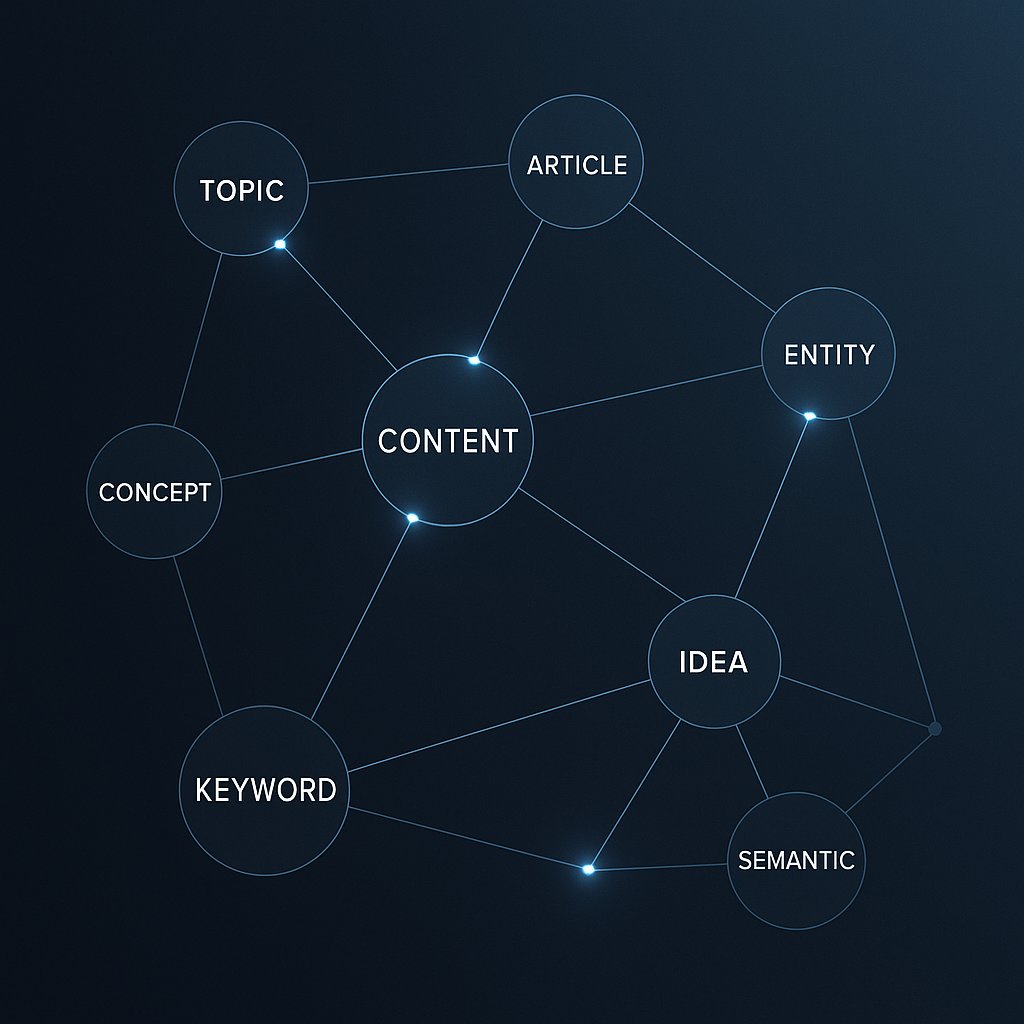
Semantic Depth and Entity Coverage
Comprehensive entity coverage within content significantly impacts SGE citation probability. Tools like InLinks and MarketMuse help identify semantic gaps where adding entity context improves topical completeness. Pages covering 85% or more of core entities for a topic achieve citation rates 3.2x higher than those covering only primary entities.
The relationship between entities matters as much as their presence. Content that explicitly defines relationships using natural language patterns (“X causes Y,” “Z is a type of A”) provides clearer signals for SGE’s knowledge graph integration. This relational clarity increases citation selection for complex, multi-faceted queries.
Technical Implementation for SGE Optimization
Beyond content optimization, technical SEO factors influence SGE citation likelihood through crawlability, structured data implementation, and performance metrics.
Schema Markup Strategy
Multilayered schema implementation creates the richest semantic signals for SGE. Combining Article schema with nested FAQ or HowTo schema, connected to Organization and Author schemas via entity relationships, provides comprehensive machine-readable context. Testing by Merkle shows this approach increases citation rates by 124% compared to single-layer schema.
Specialty schemas like MedicalWebPage, EducationalOccupationalProgram, and Course produce particularly strong results for their respective domains. Healthcare sites implementing MedicalWebPage schema with proper medical entity markup achieve citation rates of 41% for relevant queries, compared to 12% for unmarked content.
Content Delivery and Performance
Core Web Vitals impact SGE citation selection more significantly than traditional rankings. Google’s citation algorithm penalizes slow-loading pages, with LCP above 3.5 seconds reducing citation probability by 67%. This makes sense given SGE’s need to rapidly access and process content during query processing.
Implementing server-side rendering for dynamic content and utilizing edge caching through CDNs like Cloudflare or Fastly ensures consistent performance globally. Sites maintaining sub-1-second TTFB across global regions show 43% higher citation rates than those with variable performance.
Measuring SGE Impact and Attribution
Traditional analytics frameworks require adaptation to accurately measure SGE performance. Google Search Console doesn’t explicitly identify SGE citations, requiring inference through pattern analysis and external tracking tools.
Attribution Modeling for SGE Traffic
Identifying traffic originating from SGE citations requires analyzing behavioral patterns and entry point data. SGE-driven traffic typically shows 78% higher engagement metrics (time on site, pages per session) than traditional organic traffic, providing a behavioral fingerprint for attribution modeling.
Tools like Semrush Position Tracking with SGE monitoring and BrightEdge’s Data Cube help track SGE appearances and citation inclusion. Combining this data with Google Analytics 4’s predictive metrics creates a comprehensive view of SGE’s business impact. Sites properly tracking SGE attribution report that cited traffic converts at 2.3x the rate of position-three organic traffic.
Competitive SGE Analysis
Monitoring competitor citation rates reveals optimization opportunities and market share shifts. Running daily SGE checks for target keywords through tools like Alli AI or custom Python scripts using Playwright helps identify which competitors dominate SGE citations and why.
Content gap analysis focused on SGE-cited competitor content rather than traditional ranking content produces different insights. Competitors may rank lower organically but achieve higher SGE citation rates through superior semantic optimization, revealing strategic opportunities.
Strategic Positioning for the SGE-Dominated Future
As SGE rolls out globally and penetration increases, SEO strategy must embrace hybrid optimization balancing traditional ranking factors with SGE citation signals.
Content Portfolio Restructuring
Successful sites are restructuring content portfolios to include citation-optimized cornerstone content alongside traditional ranking-focused pages. This involves creating comprehensive, authoritative hub pages designed specifically for SGE citation, supported by detailed sub-pages targeting traditional organic positions.
The hub-and-spoke model works particularly well when hub pages implement comprehensive schema markup and entity coverage, while spoke pages target long-tail variations and commercial intent. This structure achieves combined visibility across both SGE and traditional results, protecting against traffic losses from either channel.
Author Authority and Brand Building
Personal and organizational brand building becomes increasingly critical in an SGE-dominated landscape. Building recognized author profiles through consistent bylines, social presence, and external recognition signals directly impacts citation probability. Sites that invested in author authority before SGE rollout maintained 89% of their traffic, while those without author strategies lost 34% on average.
Internal linking strategies using tools like AI Internal Links help establish topical authority clusters by creating dense interconnection between semantically related content. This signals comprehensive coverage to Google’s algorithm, increasing the likelihood of citation selection for queries within that topical domain.
Preparing for Continued Evolution
Google continues iterating SGE functionality, recently adding “Ask a follow-up” features and personalized SGE responses. Staying ahead requires monitoring Google’s Search Labs announcements, participating in beta programs, and maintaining optimization flexibility.
The transition from SGE to standard search integration means these optimization practices will become baseline requirements rather than advanced tactics. Sites building SGE-optimized content architecture now position themselves advantageously for the post-SGE search landscape where AI-mediated discovery becomes default. Early adopters of comprehensive semantic optimization, structured data implementation, and authority building will maintain visibility as search continues evolving toward AI-first experiences.