
Table of Contents
Here’s what nobody tells you: Google doesn’t pick the best answer for featured snippets. They pick the most extractable answer. That’s a crucial difference. You can have the most comprehensive, well-researched content on a topic and still lose the snippet to a competitor with a simpler, more structured response.
The featured snippet game has changed dramatically. Google’s algorithm now prioritizes content that answers questions with surgical precision while maintaining context. Half-measures don’t work anymore.
What Featured Snippets Actually Reward
Position zero real estate goes to content that does three things simultaneously: answers the query completely, packages that answer in a scannable format, and demonstrates topical authority through internal content connections.
Most sites nail one, maybe two of these. The third one — topical authority through linking — is where the real opportunity sits.
Think about how Google reads your page. They’re not just looking at the paragraph that answers the question. They’re evaluating whether your entire site demonstrates expertise on this topic. A standalone article answering “what is keyword density” won’t beat a site that has comprehensive coverage of SEO fundamentals, with that article properly connected to related concepts.
The Three Snippet Formats That Matter
Google serves featured snippets in three primary formats, and each one demands a different content approach.
Paragraph snippets appear for definition queries and “what is” questions. These need a 40-60 word answer that could stand alone without context. The trick? Write that answer first, then build your explanation around it. Most people do this backwards.
List snippets dominate how-to queries and process questions. Google loves numbered lists for sequential steps and bulleted lists for non-sequential items. But here’s the catch: your list needs to be comprehensive enough to be useful but concise enough that Google doesn’t truncate it awkwardly.
Table snippets win for comparison queries and data-heavy questions. If someone’s searching “WordPress hosting comparison” or “SEO tool prices,” a well-structured HTML table beats prose every time.
The format you choose isn’t creative preference. It’s strategic response to search intent.
Why Your Current Content Structure Fails
Most WordPress content follows blog conventions: intro, body, conclusion. That structure actively works against snippet optimization.
Google’s snippet extraction algorithm looks for specific patterns. When your answer is buried in paragraph five, wrapped in context and qualifiers, the algorithm struggles to extract it cleanly. Even if your content is better, a competitor with worse content but better structure wins.
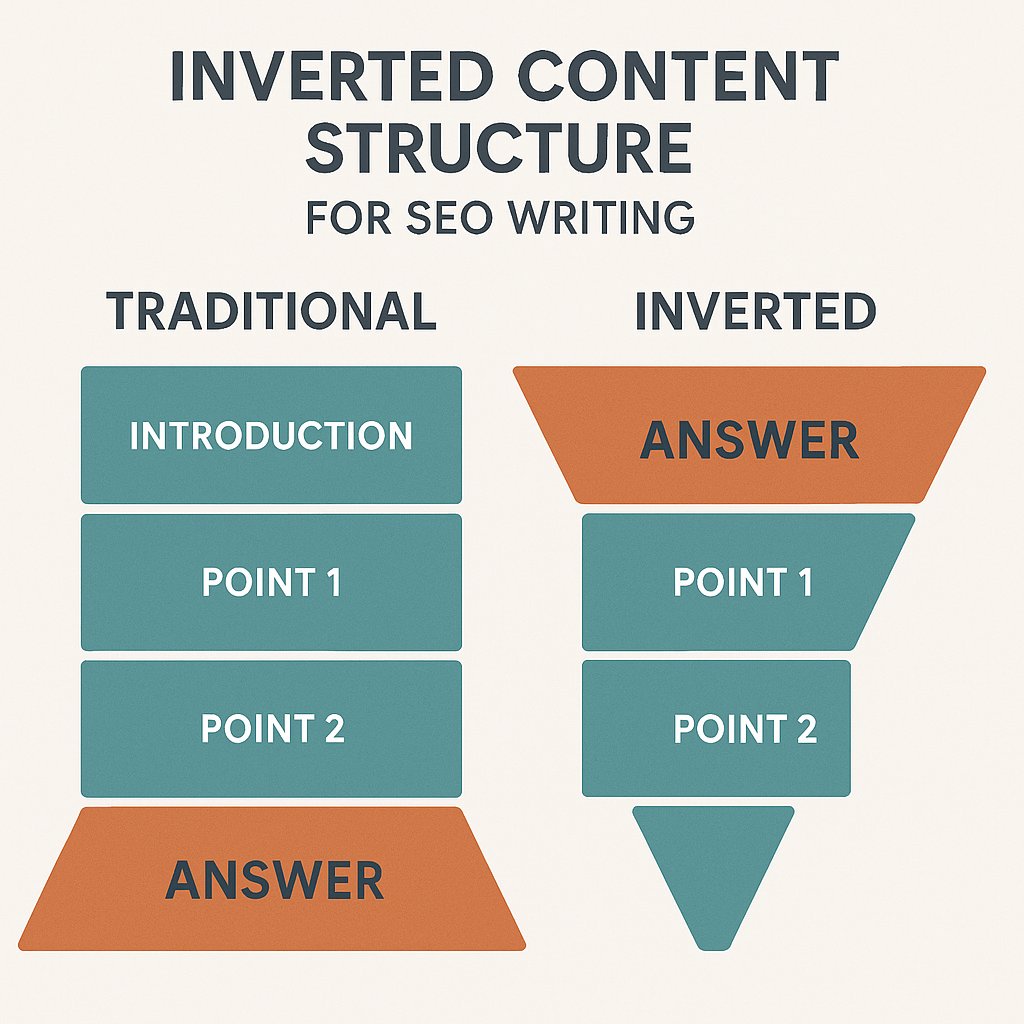
Here’s what works instead: answer the question in the first 100 words, then spend the rest of your article proving why that answer is correct. This inverted structure gives Google what they need for the snippet while giving readers the depth they want.
Content Formatting Strategies That Actually Work
Formatting for snippets isn’t about gaming Google. It’s about clarity. The same structure that makes your content snippet-worthy also makes it more useful for readers.
Start every how-to article with a complete numbered list of steps, even if you’re going to explain each step in detail below. This gives Google a clean extraction target. Then elaborate on each step with examples, screenshots, and context.
For definition-style queries, write your definition as a standalone paragraph immediately after your H1. Make it work without any surrounding context. Then use the rest of your article to expand, provide examples, and explore nuances.
Tables deserve special attention. If your topic involves any kind of comparison, build an HTML table with clear headers and concise cells. Don’t write paragraphs in table cells — use short phrases. Google’s extraction algorithm works best with scannable data.
One formatting trick that’s criminally underused: use H2 and H3 headings that mirror actual search queries. Instead of “Benefits” as an H2, write “Why Featured Snippets Matter for SEO.” Google looks at headings as signals for what each section answers.
The Anchor Text Connection Nobody Talks About
Here’s where internal linking becomes critical for snippet success. Google doesn’t just evaluate the page trying to rank for the snippet. They evaluate your site’s overall authority on the topic.
If you’re targeting a snippet for “what is topical authority,” that page better link to related concepts: domain authority, backlink quality, content depth. And those pages better link back in a natural web of connections.
This is where most WordPress sites fall apart. They publish great content but leave it isolated. Each article becomes an island. Tools like AI Internal Links solve this by automatically creating these topical connections, building the authority signals Google looks for when selecting snippets.
Your snippet-targeted page needs both outbound links to supporting content and inbound links from related articles. This web of connections signals comprehensive coverage.
WordPress-Specific Tactics for Snippet Optimization
WordPress gives you structural advantages for snippet optimization, but only if you use them correctly.
Custom blocks in Gutenberg let you create dedicated snippet-optimized sections. Build a reusable “Quick Answer” block that you place at the top of articles targeting snippet queries. Style it distinctly so readers recognize it as the TL;DR.
Schema markup through plugins like Yoast or RankMath helps, but it’s not the silver bullet most people think. Google doesn’t require schema to award snippets. Clean HTML structure matters more. That said, FAQ schema and HowTo schema do give Google additional extraction points.
Your WordPress permalink structure affects snippet chances more than you’d think. Clean URLs that match search intent — like “/what-is-keyword-density/” instead of “/p=1247/” — provide context signals. Google’s algorithm looks at URLs as part of relevance scoring.
Testing What Actually Triggers Snippets
You can’t optimize for snippets without testing. The SERP landscape changes constantly. A query that shows a paragraph snippet today might show a list snippet next month.
Run your target queries in an incognito window regularly. Note the snippet format. Then reverse-engineer what made that content win. Usually, it’s not comprehensiveness — it’s extractability plus authority.
If a competitor owns the snippet, view their source code. Look at their heading structure, their list formatting, their paragraph length around the snippet. Don’t copy their content. Copy their structure.
One crucial test: check if the snippet query triggers People Also Ask boxes. If it does, you need to answer those PAA questions within your article. Google often pulls from PAA-optimized sections when the original snippet source doesn’t fully satisfy the query.
The Authority Multiplier Effect
Snippet optimization compounds when you build topical clusters. Your first snippet might take months to earn. Your tenth might take weeks. Why? Because Google starts recognizing your site as an authority in that topic space.
This is where strategic internal linking becomes non-negotiable. Every snippet-targeted article needs to be part of a larger content ecosystem. If you’re going after “WordPress caching explained,” you better have supporting content on performance optimization, page speed, and hosting — all properly interlinked.
The sites that dominate snippets in competitive niches aren’t doing anything magical with individual articles. They’re building comprehensive topic coverage and connecting it intelligently.
When Snippets Don’t Make Sense to Chase
Not every query deserves snippet optimization. Some featured snippets actually reduce your traffic because they answer the question so completely that users don’t need to click.
If your business model depends on page engagement — ads, newsletter signups, product views — then snippets for simple queries might hurt more than help. Google shows the answer. User leaves. You get the visibility but not the visit.
Focus snippet efforts on queries where the answer creates more questions. “What is internal linking” works as a snippet target because anyone learning about it will want to know how to do it, which tools help, what mistakes to avoid. That’s click-through opportunity.
Definitional queries where the snippet fully satisfies intent? Lower priority unless you’re building brand authority.
Maintaining Snippet Positions Long-Term
Earning a featured snippet is one thing. Keeping it is another. Google constantly re-evaluates snippet sources.
Update your snippet-winning content quarterly. Even small refreshes signal to Google that the information stays current. This doesn’t mean rewriting everything. Add a new example. Update a statistic. Expand one section with deeper insight.
Monitor competitors targeting the same snippets. If someone publishes newer, better-structured content, Google will test their page as the snippet source. You need to know when this happens so you can respond.
Your internal link profile around snippet pages matters for retention just as much as for acquisition. As you publish new related content, link back to your snippet-winning pages. This continuous signal of topical relevance helps maintain position zero.
The Snippet Optimization Workflow
Here’s the practical workflow that actually works:
Identify queries your content already ranks for in positions 2-8. These are your easiest snippet opportunities. You’ve already got Google’s attention. Now optimize for extractability.
Reformat those pages to answer the query in the first 100 words using the appropriate snippet format. Add supporting internal links to related content. Test the changes.
Move to new snippet opportunities only after you’ve optimized existing rankings. This approach compounds faster because you’re working with pages that already have authority.
Track snippet wins in Search Console. They’ll show as impressions with position 1 but often with different CTR patterns than regular position 1 rankings. This data tells you which snippet types work best for your content.
Beyond Basic Optimization
The real featured snippet opportunity in 2026 isn’t just formatting your content better. It’s building the kind of comprehensive topic coverage that makes Google see your site as the authoritative source.
That means publishing supporting content around your snippet targets. It means connecting related concepts through strategic internal linking. It means building a content architecture that signals expertise, not just individual page optimization.
Most WordPress sites have the content. They’re missing the connections. Fix that, and featured snippets become significantly more attainable. The sites winning position zero consistently aren’t necessarily writing better content. They’re organizing it better and signaling topical authority more effectively.
Start with your existing content. Audit what ranks in positions 2-10. Optimize those pages for snippet extraction. Build internal links between related topics. Then expand into new snippet opportunities from a position of growing topical authority. That’s the path that actually works.